UAE’s one-stop shop for tools, power & hand tools, water, sewage & vacuum pumps, air compressors & generators.
types-of-welding-machines-and-how-to-choose-the-right-one

Types of Welding Machines & How to Choose the Right One

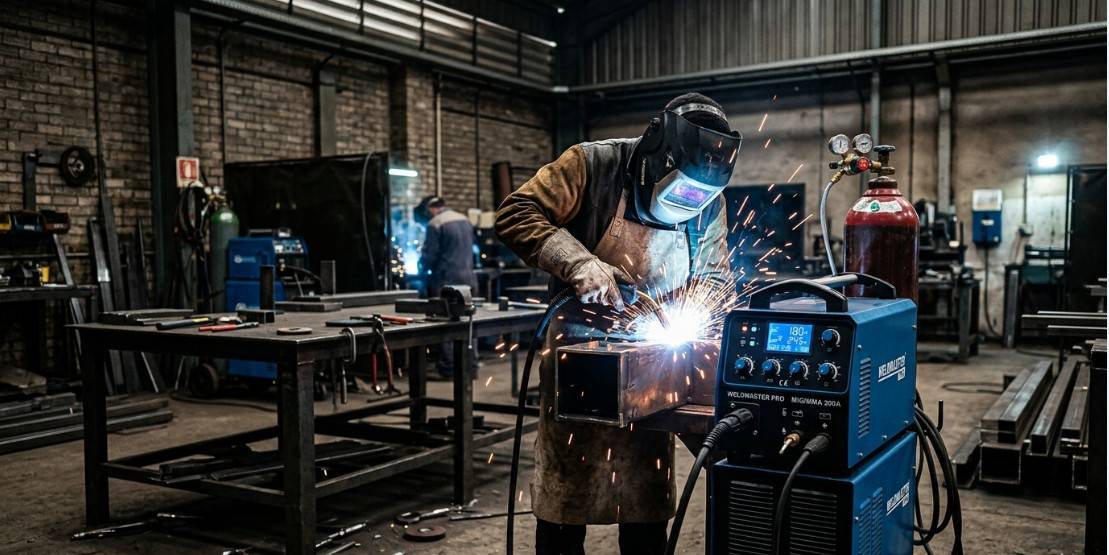
Welding machines are essential tools in metal fabrication, construction, automotive repair, and manufacturing. They are used to join metals by applying heat, pressure, or both, creating strong and permanent bonds. According to industrial welding classifications, most common welding processes fall under three major categories: MIG, TIG, and Stick welding, which together dominate a large share of industrial applications worldwide due to their versatility and reliability in different environments .

Choosing the right welding machine is not just about price or brand. It depends on material type, project scale, required weld quality, and working conditions. Understanding each machine type helps ensure stronger welds, better productivity, and lower operational costs.

Main Types of Welding Machines

MIG Welding Machine (Metal Inert Gas or GMAW)

How MIG Welding Works

MIG welding uses a continuously fed wire electrode that melts to form the weld joint. A shielding gas, usually a mix of argon and carbon dioxide, protects the weld pool from contamination. This semi automatic process makes MIG welding fast and relatively easy to learn .

Key Features

  • Continuous wire feed system
  • Uses shielding gas
  • High welding speed
  • Suitable for thin to medium thickness metals

Advantages

  • Easy to learn, beginner friendly
  • High productivity and fast welding speed
  • Produces clean welds with minimal slag

Limitations

  • Less effective in outdoor windy environments due to gas shielding
  • Not ideal for very thick industrial materials without multiple passes

Common Applications

  • Automotive repair
  • Structural steel fabrication
  • General manufacturing
  • Light industrial work

Industry Insight

In fabrication workshops, MIG welding is often preferred for repetitive production tasks because it significantly reduces welding time compared to manual methods.

Many workshops upgrade their workflow efficiency using advanced Edon welding machines, known for stable arc performance and beginner friendly operation in industrial environments.

TIG Welding Machine (Tungsten Inert Gas or GTAW)

How TIG Welding Works

TIG welding uses a non consumable tungsten electrode to create the arc. The welder manually adds filler rod while controlling heat and arc stability. Shielding gas protects the weld area. This process is known for precision and high quality results .

Key Features

  • Non consumable tungsten electrode
  • Separate filler rod
  • High control over heat input
  • Works on AC and DC power depending on material

Advantages

  • Extremely high precision
  • Produces clean and visually perfect welds
  • Works on a wide range of metals including stainless steel and aluminum
  • Ideal for thin materials

Limitations

  • Requires high skill level
  • Slower process compared to MIG and Stick
  • Lower productivity for large scale projects

Common Applications

  • Aerospace components
  • Food grade stainless steel piping
  • High precision automotive parts
  • Artistic metal fabrication

Industry Insight

Experts often describe TIG welding as the “highest skill level” process because it requires both hands and precise heat control. It is commonly used where weld quality is more important than speed.

Stick Welding Machine (Shielded Metal Arc Welding or SMAW)

How Stick Welding Works

Stick welding uses a flux coated electrode that melts during welding. The flux produces shielding gases and slag that protect the weld pool. It is one of the oldest and most robust welding methods.

Key Features

  • Flux coated consumable electrode
  • No external shielding gas required
  • Works on AC or DC power
  • Highly portable equipment

Advantages

  • Excellent for outdoor and harsh environments
  • Works on rusty or dirty materials
  • Simple and cost effective equipment
  • Strong weld penetration

Limitations

  • Produces more slag and requires cleaning
  • Slower than MIG welding
  • Less precise compared to TIG

Common Applications

  • Construction sites
  • Pipeline welding
  • Heavy structural steel work
  • Maintenance and repair work

Industry Insight

Stick welding is widely used in field conditions such as construction and pipeline work because it is resistant to wind and does not require gas cylinders.

Emerging and Specialized Welding Machines

Flux Core Arc Welding (FCAW)

Similar to MIG but uses flux core wire instead of external gas. It is more effective in outdoor conditions and heavy fabrication.

Laser Welding Machines

Uses concentrated laser beams for extremely precise and high speed welding. Common in robotics and advanced manufacturing industries.

Resistance Welding Machines

Uses pressure and electric current instead of filler material. Often used in mass production like automotive assembly lines.

Key Factors to Choose the Right Welding Machine

  • Material Type:
    Steel and thick metals suit MIG or Stick welding, while stainless steel and aluminum require TIG for precision. Thin sheets can use MIG or TIG depending on speed or finish needs.
  • Welding Environment:
    MIG and TIG work best indoors with stable conditions, while Stick or flux core welding is better for outdoor or windy environments.
  • Skill Level:
    Beginners prefer MIG for ease of use, intermediates use Stick for versatility, and advanced welders choose TIG for precision control.
  • Speed vs Quality:
    MIG is best for fast production, TIG delivers the highest quality finish, and Stick offers a balance for heavy duty field work.
  • Budget:
    Stick welding is the most affordable, MIG offers mid range value, and TIG or automated systems require higher investment for premium results

When to Choose Each Welding Machine

Choose MIG Welding When:

  • You need fast welding speed for production, automotive, or fabrication work
  • You are working in a clean indoor environment with mild to medium thickness metals

Choose TIG Welding When:

  • You need the highest weld quality, precision, and clean finishing work
  • You are working with stainless steel, aluminum, or thin and delicate materials

Choose Stick Welding When:

  • You are working outdoors or in harsh environments like construction sites or pipelines
  • You need to weld thick, rusty, or dirty metals where gas shielding is not practical

Comparison of Welding Machines (Decision Table)

Welding Type Best For Material Suitability Environment Skill Level Key Advantage Main Limitation
MIG Welding Automotive, fabrication, manufacturing Mild steel, thin to medium metals Indoor or controlled spaces Beginner to intermediate Fast welding speed and easy learning Not suitable for windy outdoor conditions
TIG Welding Aerospace, stainless steel, precision work Stainless steel, aluminum, thin metals Indoor controlled environment Advanced Highest weld quality and precision Slow and skill intensive
Stick Welding Construction, pipelines, repair work Thick steel, rusty or dirty metals Outdoor and harsh environments Intermediate Works without gas, highly durable Produces slag and requires cleaning

This comparison helps buyers quickly identify the right machine based on application, skill level, and environment.

For contractors and fabricators looking to invest in reliable performance tools, explore durable Powertex welding machines engineered for consistent output in demanding job sites.

Main Insights (Expert View)

  • No single welding machine is best for all jobs, selection depends on speed, cost, and quality requirements
  • MIG welding is widely used in industry due to high speed and easy automation in production lines
  • TIG welding is the standard for precision work where appearance and weld strength are critical
  • Stick welding remains essential for outdoor and field work due to its durability and reliability

Top Products You Should Consider

AI Overview

This blog explains types of welding machines including MIG, TIG, and Stick welding, their uses, advantages, and how to choose the right one based on material, skill level, and working conditions for better efficiency and results.

FAQs

What is the best welding machine for beginners?

MIG welding is the best option for beginners because it is easy to learn and provides consistent results. It requires less manual control compared to TIG and Stick welding.

What is the difference between MIG and TIG welding?

MIG welding is faster and easier, making it suitable for production work and beginners. TIG welding is slower but offers higher precision and cleaner weld quality.

Which welding machine gives the strongest weld?

Stick welding generally provides deep penetration and strong welds, especially on thick and heavy materials. However, strength also depends on skill and proper technique.

Which welding machine is most expensive?

TIG welding machines are usually the most expensive due to their precision, advanced controls, and need for skilled operation. MIG and Stick machines are more affordable options.

Conclusion

Choosing the right welding machine depends on understanding your material, environment, skill level, and project requirements. MIG welding is ideal for speed and general fabrication, TIG welding delivers unmatched precision for high quality work, and Stick welding remains the most reliable option for outdoor and heavy duty applications. Each type plays a specific role in modern welding, and professionals often use a combination of machines to achieve the best results in different conditions.

For contractors, fabricators, and industrial buyers looking for reliable, high performance welding machines and equipment, Al Yaqeen Hardware is a trusted supplier providing quality solutions and expert support to help you complete every project efficiently and with confidence.

Contact our welding machine experts for trusted products, technical support, and the right equipment for every project need.

tested-5-diesel-pumps-on-uae-sites-what-worked-best

I Tested 5 Diesel Pumps on UAE Sites — Here’s What Worked

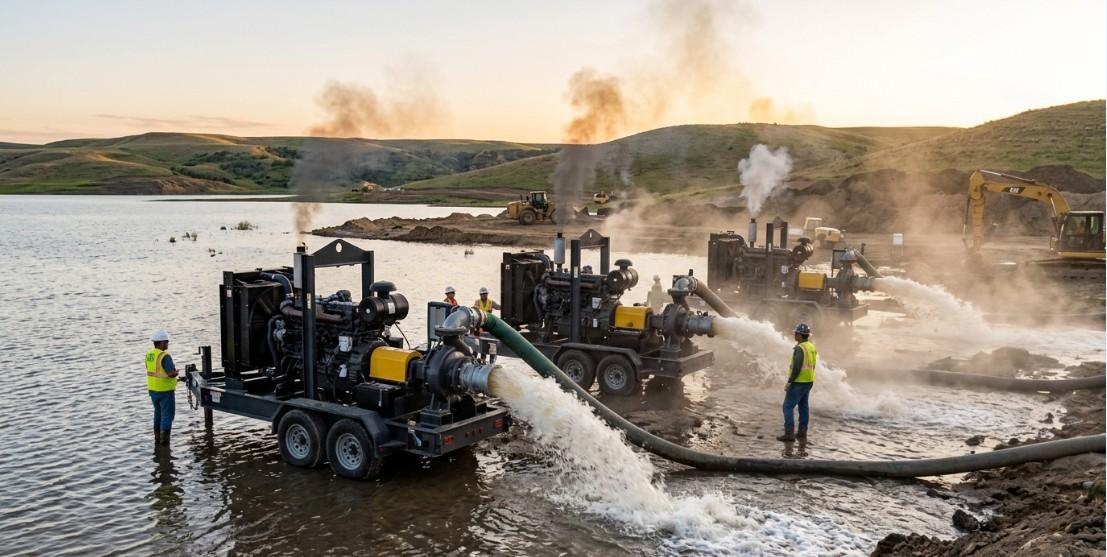
In the fast-paced industrial and construction environment of the United Arab Emirates, having reliable diesel pumps is critical. From large construction projects in Dubai and Abu Dhabi to remote desert sites, efficient fuel and water transfer keeps operations running smoothly.

In this hands‑on review I tested five widely used diesel pumps across different UAE sites including construction yards, remote refueling points and industrial facilities. My goal was straightforward: evaluate each pump for performance, reliability, ease of use, and suitability for real‑world UAE conditions.

Here’s what I found.

Why Pump Selection Matters in UAE Sites

Diesel operated pumps are more than just fuel movers. On UAE sites, they must withstand extreme heat, sand, dust, and heavy workloads. The right pump saves time, reduces downtime, and ensures safety. 

Flow rate is important, but durability, ease of maintenance, and suitability for mobile or stationary setups are equally critical.

The Five Pumps I Tested

1. Koshin Yanmar Diesel Series

This series is designed for medium-duty diesel-powered pumping. Built to handle tough outdoor conditions, these pumps are ideal for construction sites, industrial areas, and remote locations. They deliver steady flow rates, resist high temperatures, and offer reliable long-term performance.

Why It Worked

  • Durable diesel engines with proven reliability in high-temperature environments
  • Suitable for both stationary and semi-mobile operations
  • Easy maintenance and readily available spare parts

Best Use Cases

  • Refueling machinery and generators on construction sites
  • Water transfer from storage tanks
  • Remote operations without electrical power

2. Honda Koshin Series

The Honda Koshin series consists of gasoline-powered centrifugal pumps that are lightweight and portable, making them ideal for smaller-scale or temporary water transfer tasks. They offer clean, efficient pumping with excellent self-priming capability.

Why It Worked

  • Portable and easy to handle for temporary or mobile setups
  • Reliable performance with minimal downtime
  • Lightweight construction for easy transport across sites

Best Use Cases

  • Temporary dewatering of trenches or excavation sites
  • Irrigation or water supply for short-term needs
  • Locations without diesel availability or where electricity is absent

3. Koshin Robin Diesel Series

The Koshin Robin Diesel series includes heavy-duty diesel pumps that deliver higher flow rates for large-scale water or fuel transfer. These pumps excel in industrial environments that demand sustained operation over long periods.

Why It Worked

  • High flow capacity suitable for large industrial sites
  • Rugged frame and mechanical seals for extreme durability
  • Efficient diesel engines for long operation without frequent refueling

Best Use Cases

  • Large water transfer operations
  • Dewatering large areas on construction or industrial sites
  • Continuous duty in hot, dusty, or sandy conditions

4. PIUSI Carry Panther

For mobile refueling, the PIUSI Carry Panther is unmatched. Its compact design and 12/24 V capability make it perfect for remote desert sites or mobile operations.

Why It Worked

  • Highly portable for rapid deployment
  • Easy to operate and maintain in field conditions
  • Ideal for small to medium fuel transfer tasks

Best Use Cases

  • Mobile fuel supply for machinery in remote areas
  • Temporary site refueling operations

5. Double Diaphragm Pumps

Safety-focused double diaphragm pumps proved their worth in hazardous environments. These air-driven pumps eliminate spark risks, making them ideal for sites with strict safety regulations.

Why It Worked

  • Safe for flammable or sensitive areas
  • Easy to maintain with minimal mechanical parts
  • Reliable in moderate flow applications

Best Use Cases

  • Fuel or chemical transfer in hazardous zones
  • Industrial sites requiring high safety standards

Final Observations

Testing these five pump types under real UAE conditions revealed that there is no single solution. The choice depends on your specific operational needs:

  • Koshin Yanmar Diesel series for medium-duty diesel pumping
  • Honda Koshin series for portable and temporary water tasks
  • Koshin Robin Diesel series for heavy-duty, continuous duty operations
  • PIUSI Carry Panther for mobile fuel transfer
  • Double diaphragm pumps for safety-critical applications

By selecting the right series for your application, you can improve efficiency, reduce downtime, and ensure smooth site operations even under extreme UAE conditions.

Comparison Table: Pump Series Performance & Best Use Cases

Pump Series Type Power Source Typical Flow/Capacity Ideal Applications Strengths
Koshin Yanmar Diesel Series Centrifugal Engine‑Driven Diesel Medium to High (e.g., SEY‑series up to ~1250 L/min) Construction site water transfer, fuel delivery where electric power isn’t available Durable diesel engines, long runtime, robust for hot/dusty environments
Honda Koshin Series Centrifugal Engine‑Driven Gasoline / Diesel Medium (varies by model) Temporary or portable water transfer, dewatering, irrigation Portable builds, reliable engines, good for intermittent jobs
Koshin Robin Diesel Series Centrifugal Engine‑Driven Diesel Medium to High (SE80XD type flow) Heavy‑duty site dewatering and high‑volume transfer High flow capacity and longer continuous runtime
PIUSI Carry Panther Diesel Transfer Pump 12/24 V DC Varies by configuration Mobile site refueling & vehicle/plant equipment Excellent portability, quick set‑up
Double Diaphragm Pumps Positive Displacement Air‑Driven Moderate Hazardous fuel or chemical transfer Minimal ignition risk, strong in safety‑critical zones

Expert Insights

Selecting the right diesel pump requires more than just choosing a popular brand. Experts recommend considering flow rate, duty cycle, and fuel type to ensure consistent performance on UAE sites where heat, dust, and continuous operation are common. Centrifugal pumps from established brands like Koshin are proven to deliver reliable water transfer, while diaphragm pumps are better for thicker or debris-laden fluids.

Industry professionals also emphasize buying from globally recognized manufacturers to guarantee service support and spare parts availability. For detailed guidance, Koshin provides a comprehensive pump selection guide used worldwide, which helps engineers and site managers choose the right pump for their specific needs.

Top Diesel Pump Series Products

Selecting the right diesel pump is essential for UAE sites, where extreme heat, dust, and heavy workloads are common. Here are the leading pump series available locally, with top products in each.

Koshin Yanmar Diesel Series

Honda Koshin Series

Koshin Robin Diesel Series

AI Overview

Explore the performance of top diesel pump series in UAE construction and industrial sites, comparing Koshin Yanmar, Honda Koshin, and Robin Diesel pumps for efficiency, durability, and reliability.

FAQs

How to test a diesel injector pump?

Check fuel delivery and pressure using a calibrated test bench or gauge. Observe spray pattern and timing to ensure proper operation.

How do diesel transfer pumps work?

They move diesel from storage to equipment using engine-driven or electric-driven pumping mechanisms. Flow is maintained via suction and discharge ports.

What pumping principle is used by hand actuated priming pumps on most current diesel fuel subsystems?

Hand priming pumps use positive displacement to manually draw fuel into the system. This ensures air-free fuel supply for starting engines.

How do I know if my diesel primer pump is bad?

Signs include difficulty starting the engine, air in fuel lines, or fuel leaks. Reduced or no fuel flow indicates a failing primer pump.

Conclusion

Selecting the right diesel pump is essential for maintaining efficiency, safety, and reliability on UAE construction and industrial sites. By understanding the differences between the Koshin Yanmar Diesel, Honda Koshin, and Koshin Robin Diesel series, contractors can choose pumps that match their project scale, flow requirements, and site conditions.

Whether you need portable solutions for temporary water transfer or heavy-duty pumps for continuous industrial operations, investing in proven, durable pumps ensures minimal downtime and smoother workflows. 

For contractors, engineers, and project managers looking for trusted, high-performance diesel pumps across the UAE, Al Yaqeen Hardware is a reliable supplier offering quality products and expert guidance to keep your projects running efficiently.

common-pressure-tank-mistakes-and-how-to-fix-them

Common Pressure Tank Mistakes and How to Fix Them

Pressure tanks are critical components in residential, commercial, and agricultural water systems. Whether you rely on a well system or a booster pump setup, the pressure tank ensures consistent water pressure, reduces pump cycling, and extends system lifespan. However, many buyers and homeowners make preventable mistakes that lead to poor performance, higher energy costs, and early system failure.

This guide explains the most common pressure tank mistakes, how to fix them, and how to choose the right pressure tank for long term reliability.

Understanding Pressure Tank Function and System Role

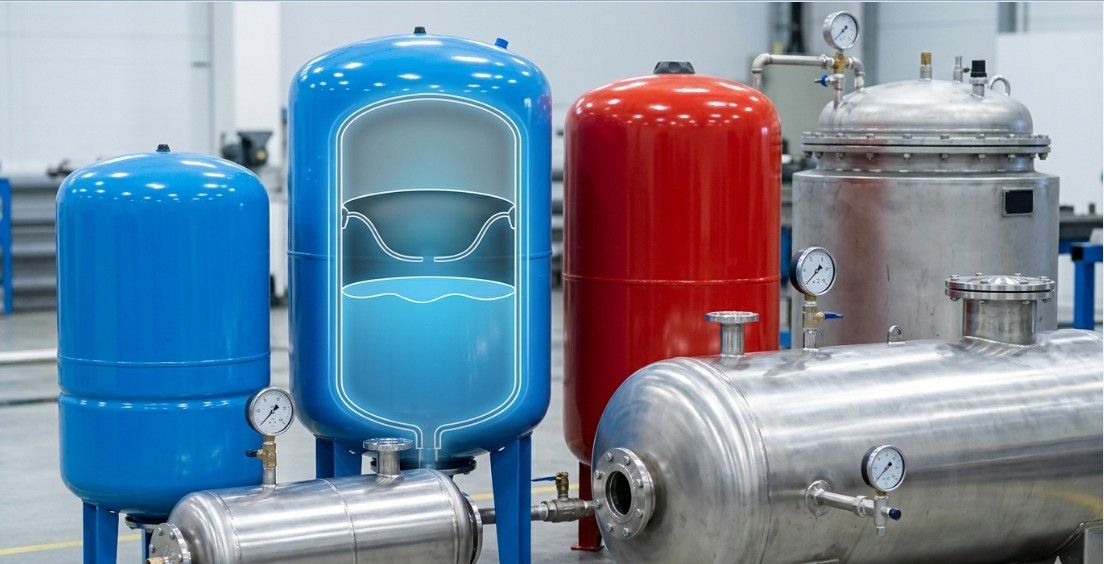
A pressure tank stores water under pressure and works alongside a pressure switch and pump. It uses compressed air to maintain steady flow and prevent the pump from turning on and off too frequently.

Key System Components

  • Pressure tank bladder or diaphragm
  • Pressure switch
  • Well pump or booster pump
  • Check valve
  • Pressure gauge

Common Pressure Tank Mistakes

Common pressure tank mistakes often stem from misunderstanding how the system works, including sizing, air pressure balance, and routine maintenance. Gaining a clear understanding of these factors helps buyers make informed decisions, avoid performance issues, and ensure consistent water pressure with long term reliability.

Incorrect Tank Sizing

One of the most frequent issues is choosing the wrong tank size. Undersized tanks cause rapid cycling, while oversized tanks may waste space and increase upfront cost.

Symptoms

  • Pump turns on and off frequently
  • Fluctuating water pressure
  • Reduced pump lifespan

Fix

Calculate drawdown capacity based on household demand. 

For example:

Household Size Recommended Tank Size
1 to 2 people 20 to 30 gallons
3 to 4 people 30 to 50 gallons
5+ people 50 to 80 gallons

Choose tanks from reliable manufacturers with clear specifications and performance ratings.

Incorrect Air Pressure Setting

Improper air charge inside the tank leads to poor system performance.

Symptoms

  • Low water pressure
  • Waterlogged tank
  • Pump short cycling

Fix:

Set the air pressure to 2 PSI below the cut in pressure of the pressure switch. For example, if your system operates at 40 to 60 PSI, set the tank to 38 PSI.

Use a digital pressure gauge for accuracy.

Ignoring Bladder or Diaphragm Failure

Modern pressure tanks use internal bladders or diaphragms to separate air and water. Over time, these components wear out.

Symptoms

  • Tank feels heavy and full
  • No air pressure when checked
  • Water spurting from air valve

Fix:

Replace the bladder if the tank design allows it. Otherwise, replace the entire tank. Look for tanks with replaceable diaphragm systems and extended warranties.

Poor Installation Practices

Incorrect installation can reduce efficiency and create long term system damage.

Common Errors

  • Missing check valve
  • Improper pipe sizing
  • Lack of proper support or mounting

Fix:

Hire a certified installer or follow manufacturer installation guidelines. Ensure proper alignment, secure fittings, and correct plumbing layout.

Neglecting Regular Maintenance

Pressure tanks require periodic inspection to function optimally.

Symptoms of Neglect

  • Rust or corrosion
  • Pressure fluctuations
  • Increased energy bills

Fix:

Perform annual checks including:

  • Air pressure testing
  • Visual inspection for leaks
  • Pressure switch calibration

Choose tanks with corrosion resistant materials such as stainless steel or composite construction.

Using Low Quality or Unverified Products

Budget tanks without certifications often fail prematurely.

Risks

  • Short lifespan
  • Inconsistent pressure performance
  • Limited warranty support

Fix:

Select products from reputable brands and suppliers such as Wates, known for consistent build quality and reliable pressure performance in demanding environments. Look for:

  • NSF or CE certifications
  • Minimum 5 year warranty
  • Availability of customer support and spare parts

Pressure Tank Types and Applications

Understanding product types helps buyers choose the right solution.

Bladder Pressure Tanks

Bladder Pressure Tanks are the most common choice for residential use. They effectively separate air and water, which helps maintain consistent pressure, and they require minimal maintenance, making them convenient for homeowners.

Diaphragm Pressure Tanks

Diaphragm Pressure Tanks are known for their durability and long lifespan. They are ideal for moderate demand systems, providing reliable performance while reducing the need for frequent adjustments.

Galvanized Pressure Tanks

Galvanized Pressure Tanks feature a traditional design without an internal bladder. While they are robust, they require frequent air adjustments to maintain proper system performance and pressure.

Tank Type Best Use Case Maintenance Level
Bladder Tank Residential homes Low
Diaphragm Tank Medium demand systems Medium
Galvanized Tank Older systems High

How to Choose the Right Pressure Tank

Choosing the right pressure tank starts with understanding your water usage, pump system, and pressure requirements. The right size and type ensure consistent pressure, reduce pump wear, and improve overall system efficiency.

  • Capacity and Drawdown

Match tank size with water usage and pump capacity. For larger households or commercial setups, investing in a high-capacity solution like the Wates pressure tank 1000L – 10 bar can significantly improve system stability and reduce pump cycling over time.

  • Material Quality

Look for corrosion resistant steel or composite tanks.

  • Warranty and Support

Choose brands offering extended warranties and responsive customer service.

  • Brand Reputation

Trusted manufacturers provide consistent quality and performance.

  • Compatibility

Ensure the tank works with your pump system and pressure switch settings.

Buyer Guidance for Long Term Value

  • Invest in a slightly larger tank to reduce pump wear
  • Prioritize certified products over cheap alternatives
  • Ensure professional installation for optimal performance
  • Maintain proper air pressure regularly
  • Check warranty coverage and service network

For more detailed system optimization tips, explore this guide:

Troubleshooting Common Pressure Tank Issues

Problem Likely Cause Solution
Pump short cycling Low air pressure Adjust air charge
No water pressure Bladder failure Replace tank
High energy bills Oversized pump cycling Upgrade tank size

AI Overview

Choosing the right pressure tank starts with understanding your system’s water demand, pump flow rate, and pressure settings. A properly sized tank ensures consistent pressure and reduces pump cycling, which helps extend the life of your pump and lowers energy costs.

FAQs

What are the common pressure tank problems?

Common issues include pump short cycling, water pressure drops, and bladder or diaphragm failure.

How to test if a pressure tank is bad?

Check for waterlogged conditions by inspecting air pressure and tapping the tank for water sounds. 

Can you repair a pressure tank?

Minor issues like replacing a bladder or diaphragm can often be repaired. Severe corrosion or structural damage usually requires a full tank replacement.

Why does my pressure tank keep turning on?

Frequent cycling is usually caused by low air pressure or an undersized tank. Ensuring proper tank size and correct air charge can prevent constant pump activation.

Conclusion

Avoiding common pressure tank mistakes is essential for maintaining consistent water pressure, reducing energy costs, and extending the lifespan of your entire water system. From correct sizing to proper maintenance and quality product selection, every decision plays a crucial role in long term performance.

For buyers and property owners in the UAE, sourcing reliable equipment from trusted suppliers is equally important. Platforms like Al Yaqeen Hardware offer access to quality pressure tanks, fittings, and expert support tailored to regional needs, making it easier to choose the right solution for residential and commercial applications across the UAE.

More Of Our Guides To Better Your Understanding

Search for products

Back to Top
Product has been added to your cart
Compare (0)