Koshin Motor Pump Models and Specs Explained
TLDR
- Koshin motor pumps cover clean water, diesel driven and dirty water jobs.
- Model letters show the job, such as SEH for clean water, SEV for diesel and KTH or KTZ for trash pumping.
- Engines come from Honda or Koshin, and weights run from 30 kg on the SEH80X to 85 kg on the KTH100X.
- The diesel SEV50D and SEV80D both carry a guaranteed 8 m suction lift.
- Choose by water type, fuel, hose size and weight before you buy.
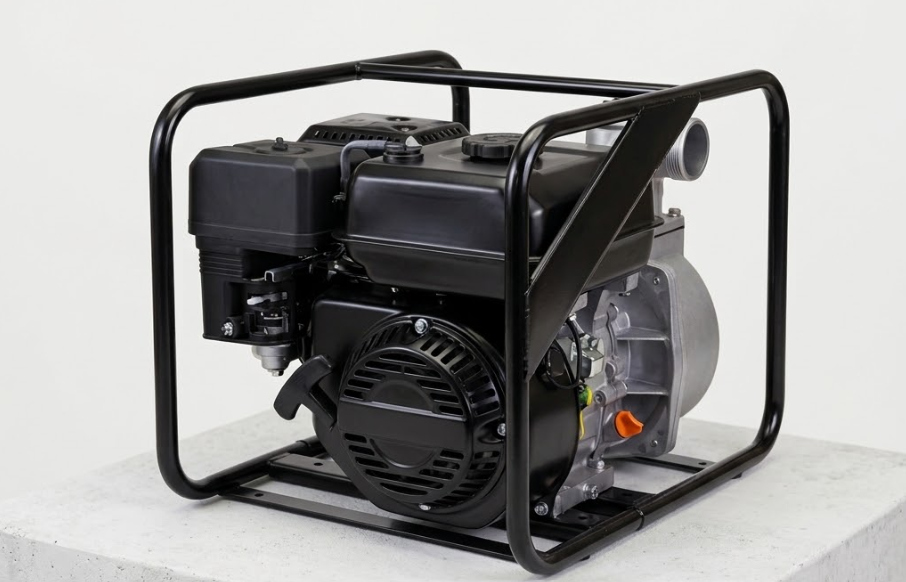
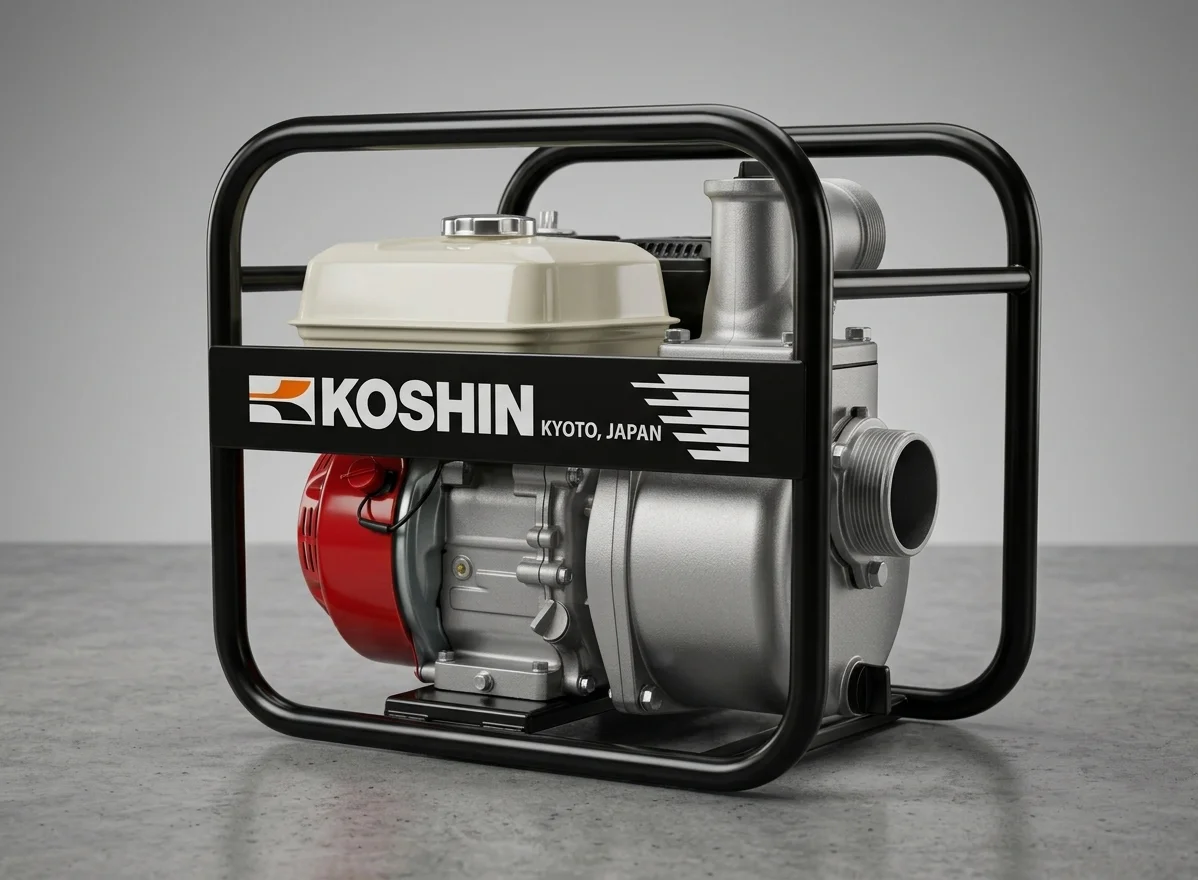
Koshin pump names can look confusing until you understand what the model codes mean. SEH, SEV, and KTH are designed for different pumping needs, with variations in flow rate, head, engine type, and application. This guide explains Koshin motor pump specifications and model ranges in simple terms, helping you understand the differences and choose the right pump for your requirements.
Key Features of Koshin Motor Pumps
Koshin is a Japanese brand trusted in more than 160 countries. A few traits show up across the range.
- Engines from Honda or Koshin, chosen for easy starting and steady output
- Durable seals, including carbon ceramic on clean water pumps and silicon carbide on trash pumps
- A plug on the trash pump impeller, so it comes off with a simple rod and no special tool
- Self priming designs that start quickly in the field
- Rollover frames and strong casings that protect the pump on rough sites
Classification of Koshin Motor Pumps
Koshin sorts its pumps by the water they handle. The first letters of the model name show the job, and the number points to the hose size. A 50 means 2 inch, an 80 means 3 inch and a 100 means 4 inch.
Here are the specifications and model range of Koshin motor pumps grouped by type.
| Pump Type | Water Handled | Models We Stock |
| Clean water petrol | Clean or lightly dirty water | SEH100X and SEH80X |
| Diesel | Long shifts on mining, construction and fire fighting jobs | SEV50D and SEV80D |
| Trash pumps | Mud, sludge and debris | KTH50X, KTH80X, KTH100X and KTZ100S |
Below are eight models from the specifications and model range of Koshin motor pumps that we sell as a trusted Koshin pump supplier in UAE.
Koshin Honda SEH100X
The SEH100X is a clean water pump for farms and large transfer jobs.
- Honda GX240 petrol engine
- 5.3 litre fuel tank
- Recoil starter
- Dry weight of 59 kg
- Carbon ceramic seal and rollover pipe frame
The die cast aluminium body is strong yet light. Farmers use it for field irrigation, orchards, wells and filling reservoirs.
Koshin Honda SEH80X
The SEH80X is the lighter 3 inch option for smaller jobs.
- Honda GX160 petrol engine
- 3.1 litre fuel tank
- Recoil starter
- Dry weight of 30 kg
It shares the seal, frame and aluminium body of the SEH100X. That makes it a good fit for ponds, troughs, fish farms and washing down barns or tools.
Koshin Diesel SEV50D
The SEV50D is a 2 inch diesel pump built for long shifts.
- Koshin KD300 diesel engine
- 3.5 litre fuel tank
- Recoil starter
- Dry weight of 46.1 kg
- Guaranteed 8 m suction lift
It suits mining dewatering, construction sites, shipboard work and fire fighting.
Koshin Diesel SEV80D
The SEV80D steps up to a 3 inch outlet with the same diesel engine.
- Koshin KD300 diesel engine
- 3.5 litre fuel tank
- Recoil starter
- Dry weight of 48.6 kg
- Guaranteed 8 m suction lift
Crews use it for mining dewatering, offshore and shipboard work, emergency fire fighting, irrigation and large construction jobs.
Koshin Honda KTH50X Trash Pump
The KTH50X is a compact trash pump for sandy, muddy and debris filled water.
- Honda GX160 petrol engine
- 3.1 litre fuel tank
- Recoil starter
- Dry weight of 51 kg
- Silicon carbide seal
The plug impeller and high self priming performance keep maintenance simple. It works well on construction sites, mines and dewatering jobs.
Koshin Honda KTH80X Trash Pump
The KTH80X is the 3 inch trash pump for bigger flows.
- Honda GX240 petrol engine
- 5.3 litre fuel tank
- Recoil starter
- Dry weight of 63 kg
It shares the seal, impeller plug and self priming build of the KTH50X, so the same easy upkeep applies.
Koshin Honda KTH100X Trash Pump
The KTH100X is the heavy hitter for slurry and dirty water.
- Honda GX340 petrol engine
- 6.1 litre fuel tank
- Recoil starter
- Dry weight of 85 kg
It is built for demanding construction, mining and dewatering work where smaller pumps struggle.
Koshin KTZ100S Trash Pump
The KTZ100S is a 4 inch trash pump with Koshin’s own engine.
- Koshin K420 engine
- 5.9 litre fuel tank
- Recoil starter
- Dry weight of 78.2 kg
- Silicon carbide seal
The impeller plug and strong self priming make it a dependable choice for sandy, muddy water on construction and mining sites.
How to Choose the Right Koshin Motor Pump
When you study the specifications and model range of Koshin motor pumps, start with four questions.
- What water will you move, clean or muddy
- Do you want petrol or diesel, since diesel models suit long shifts
- What hose size do you run, since 50, 80 and 100 match 2, 3 and 4 inch
- How often will you move it, which makes weight and tank size matter
Ask for exact flow and head figures before you order, because these change from model to model. If you are still comparing sellers, this list of Koshin pump dealers in UAE can help you decide who to trust.
Conclusion
This guide to the specifications and model range of Koshin motor pumps is meant to give you a practical starting point for picking the right pump. Al Yaqeen Hardware is a trusted industrial equipment supplier in the UAE, offering genuine Koshin pumps with clear guidance and dependable service, and our specialists are ready to help you pick the right model and get accurate pricing.
FAQs
What Is the Difference Between SEH and KTH Koshin Pumps?
SEH models are clean water pumps for irrigation and transfer. KTH models are trash pumps built for mud, sludge and debris.
Which Koshin Pump Is Best for Muddy Water?
The KTH50X, KTH80X, KTH100X and KTZ100S are made for muddy water. They use silicon carbide seals and self priming designs for sandy and debris filled water.
How Far Below the Pump Can Koshin Diesel Models Draw Water?
The SEV50D and SEV80D both carry a guaranteed 8 m suction lift. Head is a separate figure and shows how high the pump can push water.
Find the right Koshin pump for your job
Not sure which model fits your water type, fuel and hose size? Share your requirements with our team and we will recommend the right Koshin pump from stock and send you a clear quote.
Read More Blogs From Al Yaqeen Hardware
- Industrial Machines: An Informative Guide to Types And Uses covers generators, welding machines, air compressors and pumps used across industrial sites.
- Important Factors to Know Before Investing in Power Tools breaks down what to check on power source, safety and durability before buying equipment.
- Best Air Compressor Brands and Suppliers in UAE compares leading brands to help you pick the right compressor for your site.
- Bar Bending Machine Benefits for Modern Construction Projects explains how the right bending equipment improves speed and accuracy on site.
- 5 Tips to Extend Your Bar Bending Machine’s Life shares practical upkeep habits that apply to power equipment generally.