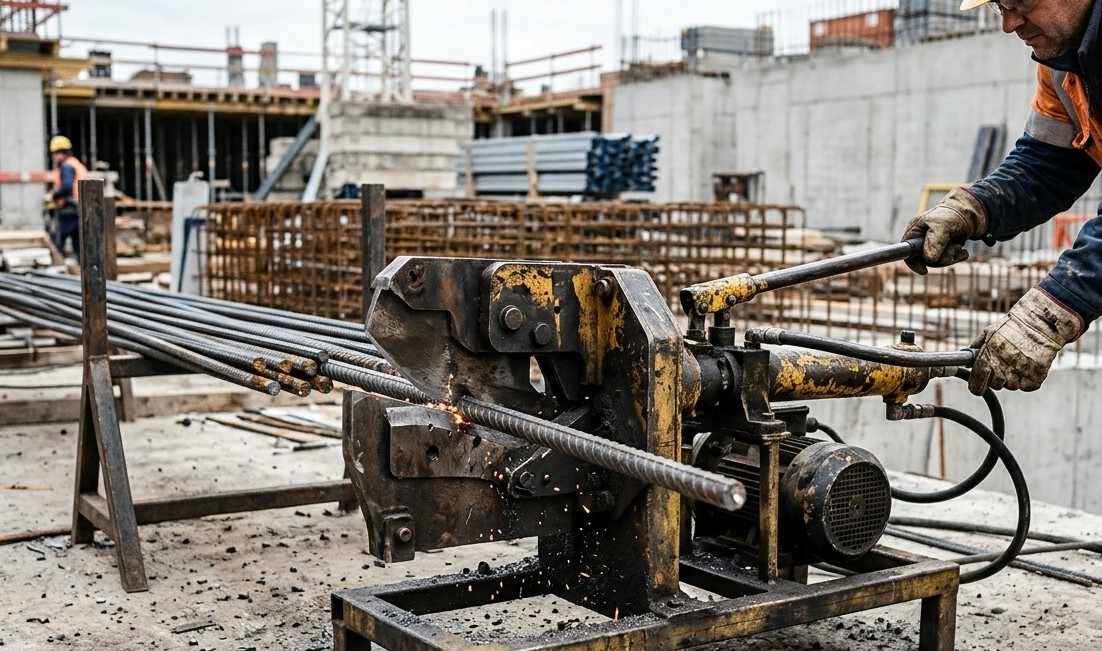
Rebar Cutting Machine Guide: Types, Benefits & Selection
A rebar cutting machine is an essential piece of equipment in the construction industry, designed to cut reinforcing steel bars quickly, accurately, and safely. From residential buildings to large infrastructure projects, contractors rely on these machines to prepare steel reinforcement before concrete is poured.
Compared to manual cutting methods, a steel bar cutting machine increases productivity, reduces labour costs, and delivers precise, clean cuts that improve construction quality. Whether you’re a contractor, steel fabricator, or equipment buyer, understanding the different types of rebar cutters can help you choose the right machine for your needs.
This guide explains what a rebar cutting machine is, its common types, applications, benefits, and the key factors to consider before making a purchase.
What Is a Rebar Cutting Machine?
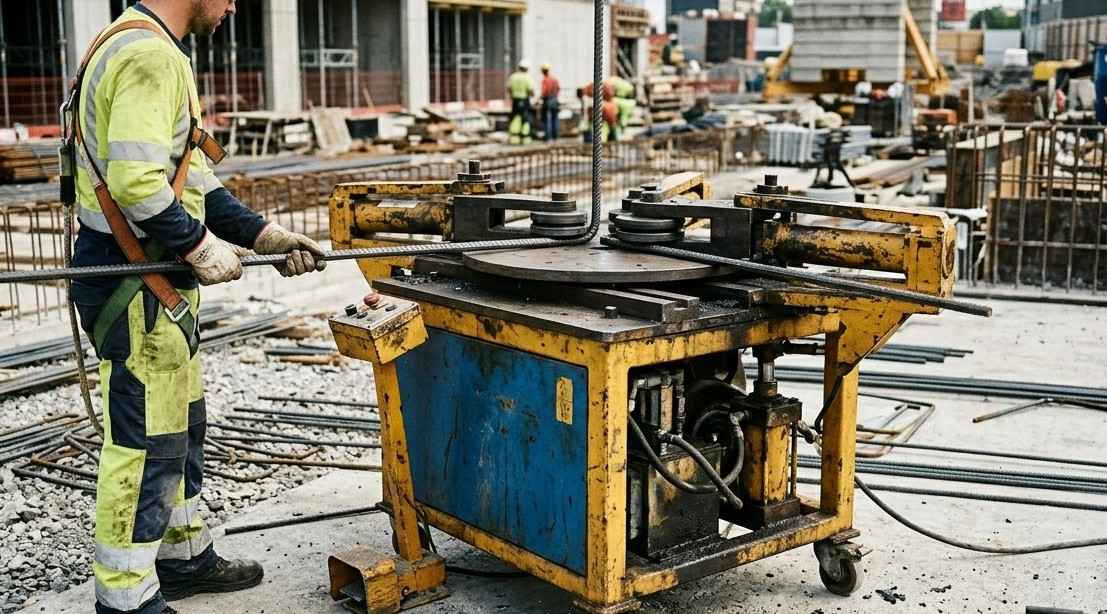
A rebar cutting machine is a power-operated tool used to cut steel reinforcement bars into required lengths for construction projects. Powered by an electric motor or hydraulic system, the machine uses hardened steel blades to produce clean, accurate cuts with minimal effort.
Unlike angle grinders or manual cutters, a reinforcement bar cutting machine is designed for continuous operation, making it ideal for projects that require cutting large volumes of steel bars.
Most modern machines can cut rebars ranging from 16 mm to 50 mm in diameter, depending on their capacity. They are commonly found on construction sites, precast concrete plants, and steel fabrication workshops.
Types of Rebar Cutting Machines
Choosing the right machine depends on your project size, cutting volume, and the diameter of reinforcement bars you work with.
Electric Rebar Cutting Machine
The electric rebar cutting machine is the most popular choice for contractors due to its reliability and ease of use. It runs on an electric motor that drives the cutting blade, making it suitable for continuous daily operation.
These machines are commonly used for commercial buildings, residential construction, and general fabrication work where consistent cutting performance is essential.
Hydraulic Rebar Cutting Machine
Hydraulic models generate significantly higher cutting force, allowing them to process thicker and high-tensile steel bars with ease. They are commonly used on infrastructure projects such as bridges, highways, and industrial developments where heavy-duty performance is required.
Although they are generally more expensive, hydraulic machines offer exceptional durability and long-term reliability.
Portable Rebar Cutter
Portable rebar cutters are compact and lightweight, making them ideal for onsite applications where mobility is important. Contractors often use them for renovation projects, repair work, and smaller construction jobs that require cutting reinforcement bars in different locations.
Their portability saves time and reduces the need to transport materials back and forth to a workshop.
Automatic Rebar Cutting Machine
Automatic models are designed for high-volume production. Equipped with programmable controls and automatic feeding systems, they deliver consistent cutting lengths with minimal operator involvement.
These machines are commonly used in precast concrete factories, reinforcement processing facilities, and large steel fabrication plants.
Common Applications of Rebar Cutting Machines
Rebar cutting machines are used wherever reinforced concrete structures are built. Their ability to produce accurate cuts improves efficiency throughout the construction process.
Some of the most common applications include:
- Residential and commercial building construction
- Bridge and highway projects
- Precast concrete manufacturing
- Steel fabrication workshops
- Industrial construction
- Infrastructure development
From preparing reinforcement cages to cutting bars for columns, beams, and foundations, these machines play a vital role in modern construction.
Benefits of Using a Rebar Cutting Machine
Using a dedicated construction rebar cutting machine offers significant advantages over manual cutting methods.
| Benefit | Why It Matters |
| Faster cutting | Increases productivity on busy construction sites. |
| Accurate cuts | Ensures reinforcement bars meet engineering specifications. |
| Improved safety | Reduces the risks associated with manual cutting tools. |
| Lower labour costs | Cuts more bars with fewer workers and less effort. |
| Reduced material waste | Clean, precise cuts minimise steel wastage. |
| Long service life | Industrial-grade machines withstand demanding working conditions. |
These advantages make rebar cutting machines a valuable investment for contractors looking to improve efficiency and reduce operating costs.
How to Choose the Right Rebar Cutting Machine
Not every machine is suitable for every project. Evaluating your operational requirements before purchasing will help you select equipment that delivers reliable performance for years.
Cutting Capacity
The first consideration is the maximum diameter of reinforcement bars the machine can cut. Standard machines typically support capacities of 25 mm, 32 mm, 40 mm, or 50 mm. For contractors handling general reinforcement work, the GQ-45 Steel Cutter offers reliable cutting performance for everyday construction applications and is a practical choice for medium-duty projects. Choosing the correct capacity ensures the machine can handle both current and future project requirements.
Motor Performance
A powerful motor provides smoother operation and faster cutting speeds, especially when processing large quantities of reinforcement steel. Machines with industrial-grade motors are better suited for continuous use and demanding construction environments. Large-scale construction projects that process thicker reinforcement bars may benefit from higher-capacity equipment such as the GQ-50 Steel Cutter, which is designed for demanding workloads and continuous operation in commercial and industrial environments.
Blade Quality
The quality of the cutting blade has a direct impact on cutting performance and maintenance costs. Hardened alloy steel blades generally last longer, maintain sharper cutting edges, and produce cleaner cuts than lower-quality alternatives.
Machine Construction
A robust steel frame helps minimise vibration during operation while improving durability. Machines with corrosion-resistant finishes and heavy-duty components are better equipped to withstand harsh job site conditions.
If your business is involved in multiple construction or fabrication activities, it can be beneficial to source equipment from a supplier with a wider industrial product range. Many contractors that purchase rebar cutting machines also work with aluminium cutting machine suppliers UAE when they need dedicated equipment for cutting aluminium profiles, extrusions, and other fabrication materials used across construction projects.
Safety Features
Construction equipment should always include essential safety features such as blade guards, emergency stop buttons, overload protection, and stable operating platforms. These features help reduce workplace accidents and improve operator confidence.
Availability of Spare Parts
Even the most durable equipment requires maintenance over time. Choosing a machine with readily available spare parts and reliable after-sales support helps reduce downtime and ensures long-term productivity.
Maintenance Tips for Longer Machine Life
Routine maintenance is essential to keep a steel bar cutting machine operating at peak performance. Cleaning the machine after each shift prevents dust and metal particles from affecting moving components, while regular lubrication reduces wear on mechanical parts.
It is also important to inspect the cutting blades for damage or excessive wear, tighten loose bolts, and check electrical connections periodically. Replacing worn components before they fail helps prevent unexpected breakdowns and extends the machine’s service life.
Common Buying Mistakes to Avoid
Many buyers focus solely on price, overlooking factors that affect long-term value and performance. Purchasing a machine with insufficient cutting capacity or a low-powered motor can result in reduced productivity and higher maintenance costs.
Similarly, ignoring blade quality, warranty coverage, or the availability of replacement parts may lead to unnecessary downtime. Evaluating the overall build quality and after-sales support is often more important than choosing the lowest-priced option.
Conclusion
Choosing the right rebar cutting machine can improve productivity, reduce material waste, and ensure precise steel reinforcement for every construction project. By considering factors such as cutting capacity, motor power, build quality, and safety features, you can invest in equipment that delivers reliable performance for years.
Al Yaqeen Hardware supplies a wide range of construction and industrial equipment to support professionals across various applications. If you need assistance selecting the right solution for your project, Contact Us to speak with our team and get expert guidance.
Explore More Industrial Guides & Articles
If you are planning to upgrade or build your workshop or industrial setup, you may also find these guides helpful:
- How to Choose the Right Power Trowel for Your Concrete Project – Understand key selection factors for achieving smooth and durable concrete finishing results.
- Types of Welding Machines & How to Choose the Right One – Learn about different welding technologies and how to select the right machine for your application.
- I Tested 5 Diesel Pumps on Sites — Here’s What Worked – A practical comparison of diesel pumps based on real-world performance and efficiency.
- Common Pressure Tank Mistakes and How to Fix Them – Identify common installation errors and learn how to improve pressure tank performance.