
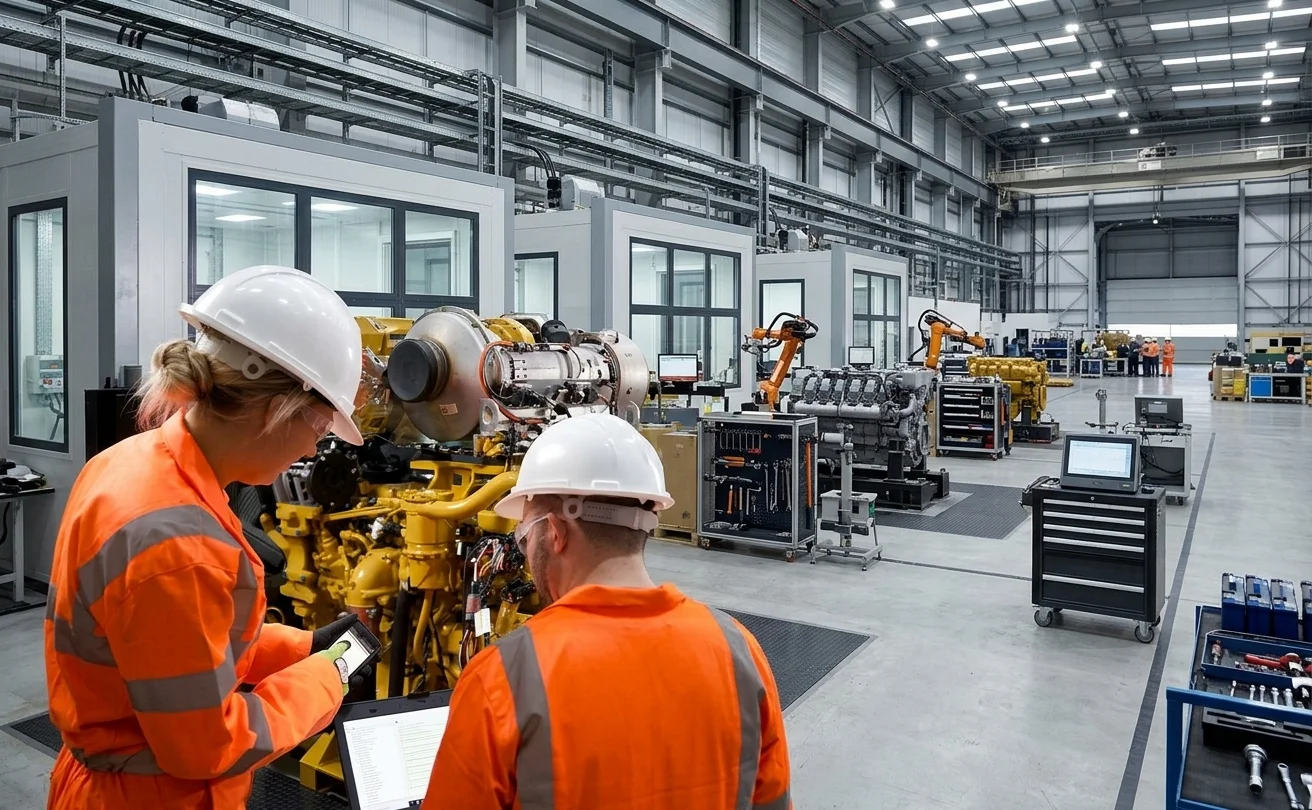
Choosing the right engine for your machinery starts with understanding the equipment’s power requirements, working load, fuel type, operating environment and mounting dimensions. Compare horsepower, torque, fuel consumption, maintenance needs and manufacturer specifications before buying. A correctly matched engine helps machinery run reliably without unnecessary fuel costs or mechanical strain.
Choosing the right engine helps machinery perform reliably and reduces unnecessary operating costs. An engine that does not provide enough power can struggle under load. An oversized engine may increase fuel consumption and purchase costs.
Before selecting an engine, understand how your machinery will be used. Consider its workload and daily operating hours. You should also check the required power output and the conditions in which the machine will operate.
What Power Does Your Machinery Need?
Start by checking the power requirements of your equipment. Every machine needs a specific amount of power to perform its intended tasks.
An engine with insufficient power may overheat or struggle during demanding operations. An engine with excessive power may add unnecessary cost.
Check the manufacturer’s recommended engine power before making a decision. Consider the following factors:
- Power output: Make sure the engine can handle the machine’s workload.
- Load requirements: Consider whether the machinery operates under light or heavy loads.
- Operating hours: Equipment used for long periods may need an engine designed for continuous operation.
- Performance demands: Machines that start and stop frequently may have different requirements from equipment that runs at a steady speed.
Always compare the engine’s rated power with the machinery manufacturer’s specifications.
Should You Choose a Petrol or Diesel Engine?
Petrol and diesel engines suit different applications. Your choice depends on the machinery type and how often it operates.
| Feature | Petrol Engine | Diesel Engine |
| Common use | Light-duty equipment | Heavy-duty and industrial equipment |
| Fuel efficiency | Often lower under comparable loads | Often higher under comparable loads |
| Torque | Suitable for many lighter applications | Often suited to demanding loads |
| Maintenance | Depends on engine design and use | Depends on engine design and use |
| Initial cost | Often lower | Often higher |
Petrol engines can be suitable for lighter equipment and applications where lower initial cost matters. Diesel engines are often preferred for industrial machinery that needs strong low-speed torque and regular operation.
However, fuel type alone should not determine your decision. Compare the engine specifications with the equipment’s requirements and expected workload. You can review the available engines and spare parts to compare ratings and specifications side by side.
Why Are Torque and Engine Speed Important?
Power is important but it is not the only specification to consider. Torque affects how well an engine handles resistance while engine speed determines how quickly it operates.
Machinery that handles heavy loads may require strong torque at lower engine speeds. Equipment that operates at a specific speed may need an engine with a compatible RPM range.
Before buying an engine check:
- The required operating speed in RPM
- The torque needed for the intended workload
- Compatibility with the machine’s drive system
- Whether the engine can handle starting loads and changes in demand
Choosing the correct torque and speed helps the machinery operate as intended and reduces the risk of performance problems.
How Does the Working Environment Affect Engine Choice?
The working environment can affect engine performance and service life. An engine used in a hot or dusty location may need more frequent inspection and maintenance.
Consider where the machinery will operate. Construction sites may expose engines to dust and vibration. Agricultural equipment may work in changing weather conditions. Industrial machinery may run for extended periods.
Check the following before selecting an engine:
- Temperature: Confirm that the engine is suitable for the expected operating temperature.
- Dust and debris: Check the air filtration requirements for dusty environments.
- Ventilation: Ensure the engine has adequate airflow and cooling.
- Operating conditions: Consider vibration and the amount of time the engine will run each day.
- Maintenance access: Make sure routine servicing can be carried out easily.
Selecting an engine suited to the environment helps reduce avoidable wear and operating issues.
How Can You Check Whether an Engine Will Fit Your Machinery?
An engine may meet the power requirements but still be unsuitable if its dimensions or connections do not match the equipment.
Before replacing an existing engine compare the new model with the original engine specifications. Check its physical dimensions and mounting points. You should also verify the shaft size and direction of rotation where relevant.
Review these details before purchasing:
- Engine dimensions and weight
- Mounting arrangement
- Shaft size and configuration
- Fuel and exhaust connections
- Cooling system requirements
- Electrical connections and starting system
Do not rely on engine appearance alone. Confirm compatibility with the machinery manufacturer or a qualified supplier before installation.
How to Compare Engine Fuel Costs and Maintenance Requirements
The purchase price is only one part of the total cost of owning an engine. Fuel consumption and maintenance can affect your operating budget over time.
If the machinery runs for several hours each day even a small difference in fuel consumption may affect long-term costs. Regular servicing is also important for reliable operation.
When comparing engines consider:
- Expected fuel consumption under your working load
- Recommended oil and filter replacement intervals
- Availability of spare parts
- Local servicing support
- Ease of routine maintenance
- Warranty terms and service requirements
An engine with a lower purchase price may not be the most economical choice over its working life. Compare the expected operating costs as well as the initial investment.
Which Engine Model Should You Consider?
Choosing the right engine depends on your machinery’s power requirements, operating conditions, and intended application. Compare different engine models based on their performance, fuel efficiency, durability, and compatibility with your equipment rather than focusing on brand or price alone.
Before making a purchase, check the engine’s rated power, operating speed, mounting dimensions, and installation requirements. If you are replacing an existing engine, compare the specifications of the original model with those of the proposed replacement to ensure proper fit, reliable performance, and efficient operation.
What Should You Check Before Buying an Engine?
Use this checklist to review the main requirements before making your final decision.
- Confirm the power required by your machinery.
- Select a suitable fuel type.
- Check torque and operating speed.
- Verify engine dimensions and mounting points.
- Consider the working environment.
- Compare fuel consumption and maintenance costs.
- Check spare parts availability and service support.
- Confirm the warranty and installation requirements.
If you are unsure about compatibility ask a qualified supplier to review your machinery specifications. This can help you avoid purchasing an engine that does not meet your needs.
Conclusion:
Choosing the right engine requires more than comparing prices or power ratings. You need to consider the machinery’s workload and operating environment. Fuel consumption and maintenance requirements also affect long-term value.
Compare the engine specifications with your equipment’s requirements before making a purchase. For help exploring suitable options visit Al Yaqeen Hardware and review the available engine information.
Get the right engine for your machine the first time
Send us your machine details and our team will check power, shaft, RPM and mounting before you order. You get clear advice on the right diesel or petrol engine, with no guesswork and no wrong fit on delivery day.
Frequently Asked Questions
How do I choose the correct engine size for my machinery?
Check the machinery manufacturer’s recommended power output and operating speed. Then compare the engine’s rated specifications with the workload and operating conditions.
Is a diesel engine better than a petrol engine for industrial machinery?
Diesel engines are often suitable for heavy-duty machinery and demanding workloads. Petrol engines may suit lighter applications. The best option depends on the equipment’s specifications and operating needs.
What should I check when replacing an existing machinery engine?
Compare power output and operating speed first. Then check the mounting points and dimensions along with shaft compatibility and fuel connections. Confirm the replacement is suitable for your machinery before installation.
Best Selling Engine Parts
Choosing the right engine is only the first step. Keeping it in good condition with the correct spare parts helps it run reliably and last longer. Here are popular parts for engines used in pumps, generators and other machinery.
- Honda Petrol Engine Piston (GX120–GX200): restores compression after long working hours.
- Honda Petrol Engine Piston Rings (GX120–GX200): maintains compression and controls oil use.
- Air Filter Element for 173F Engine: protects the engine in dusty conditions.
- Cylinder Gasket for 173F Engine: seals the cylinder during rebuild or service.
- Connecting Rod Bearing for 173F Engine: supports smooth operation after an overhaul.

Leave a comment
Your email address will not be published. Required fields are marked *