
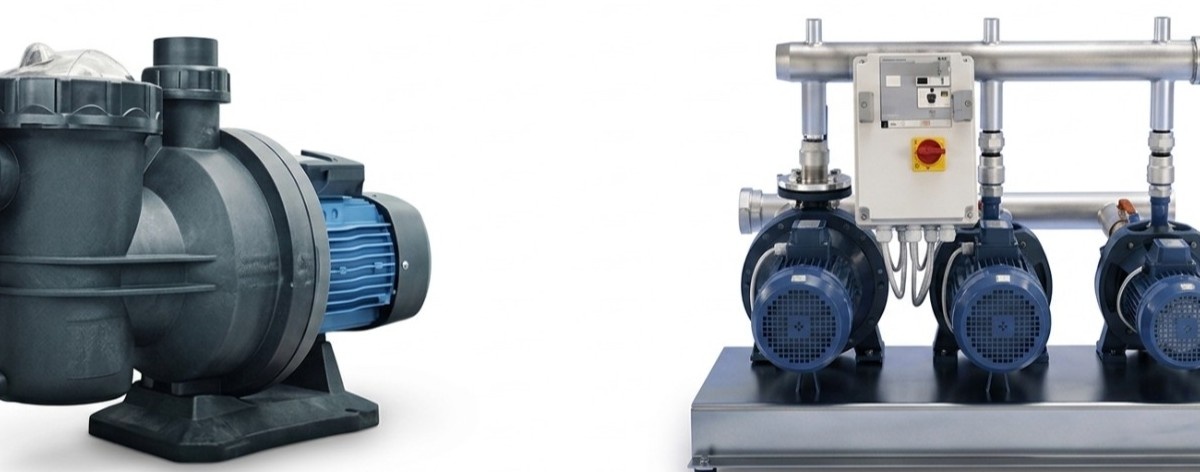
Booster Pump vs Submersible Pump: Which Is Right for Your UAE Building?
Water supply systems are one of the most important parts of any residential, commercial, or industrial building in the UAE. Whether it is a high-rise tower in Dubai, a villa in Sharjah, or a commercial facility in Abu Dhabi, maintaining proper water pressure and uninterrupted water flow is essential for daily operations.
This is why choosing the right water pump becomes a critical decision for property owners, contractors, and facility managers.
Among the most commonly used systems are booster pumps and submersible pumps. While both are designed to move water efficiently, they serve completely different purposes. Understanding the difference between these two systems helps building owners select the right solution for long-term performance, energy efficiency, and reduced maintenance costs.
What Is a Booster Pump?
A booster pump is designed to increase water pressure inside a building’s plumbing system. In many UAE buildings, especially multi-story properties, the main water supply pressure is often not strong enough to deliver water effectively to upper floors. Booster pumps solve this issue by maintaining steady and consistent pressure throughout the system.
These pumps are commonly installed in residential towers, hotels, shopping malls, hospitals, and industrial facilities where stable water pressure is necessary for daily operations. In many commercial developments, a professionally installed booster pump set for building UAE projects helps ensure uninterrupted water flow even during peak usage hours.
Booster pumps usually operate above ground and are connected directly to the building’s water distribution network. Modern systems also include pressure control technology that automatically adjusts pump speed depending on water demand, helping reduce electricity consumption and improve efficiency.
What Is a Submersible Pump?
A submersible pump works differently from a booster pump. Instead of increasing pressure, its main purpose is to extract or transfer water from underground or submerged sources. As the name suggests, the entire pump operates underwater inside a well, tank, or borehole.
Submersible pumps are widely used in deep wells, underground storage tanks, sewage systems, drainage systems, and construction sites. Since the pump remains submerged in water, it pushes water upward instead of pulling it, which makes the system highly efficient for deep water applications.
Many contractors and industrial facilities prefer working with a reliable submersible water pumps dealer Sharjah businesses trust for quality products, technical support, and long-term reliability.
Booster Pump vs Submersible Pump: Key Differences
The biggest difference between the two systems lies in their function and installation method. A booster pump increases water pressure within an existing supply network, while a submersible pump extracts water from below-ground sources.
Booster pumps are ideal for buildings where water already exists in the system but pressure is insufficient. This is common in tall residential and commercial buildings across the UAE where upper floors often experience weak water flow.
Submersible pumps, on the other hand, are used when water needs to be moved from underground tanks, wells, or flooded areas. These systems are specially designed to operate inside water and handle continuous submerged operation.
Another important difference is maintenance accessibility. Booster pumps are easier to inspect and repair because they are installed externally. Submersible pumps may require more technical handling since the pump must be removed from the water source during servicing.
| Reliability Factor | ABB | Siemens |
| Heavy Industrial Reliability | Excellent | Very Good |
| Automation Stability | Very Good | Excellent |
| Product Lifespan | Excellent | Excellent |
| Maintenance Requirements | Low | Moderate |
| Engineering Precision | Very Good | Excellent |
| Reliability Factor | ABB | Siemens |
Which Pump Is Better for UAE Buildings?
The answer depends entirely on the building’s water system requirements. In many UAE properties, both systems are used together as part of a complete water management setup.
For example, a submersible pump may first transfer water from an underground tank to a rooftop storage tank. A booster pump then distributes that water throughout the building with stable pressure.
Booster pumps are generally the better option for high-rise buildings, hotels, hospitals, commercial towers, and residential compounds where maintaining consistent pressure is critical.
Submersible pumps are more suitable for borewell water extraction, underground water tanks, construction dewatering, floodwater drainage, and sewage applications.
Choosing the correct pump requires proper evaluation of water demand, building height, installation conditions, and maintenance requirements.
Efficiency and Operational Performance
Energy efficiency is an important factor for UAE property owners because pump systems often operate continuously throughout the year. Booster pumps are highly efficient when maintaining constant pressure levels, especially when equipped with variable speed drives that reduce unnecessary power consumption.
Submersible pumps are also energy efficient because they work directly inside the water source, reducing suction losses and improving water transfer performance. Their sealed motor design also minimizes the risk of overheating and cavitation.
The overall efficiency of any pumping system depends on proper sizing, installation quality, and routine maintenance. Working with experienced water pump suppliers in UAE property owners can rely on can significantly improve long-term system performance and reduce operational costs.
Installation and Maintenance Considerations
Booster pumps are generally easier to install and maintain because they are placed outside the water source. Technicians can quickly access motors, valves, and control systems for inspections or repairs.
Submersible pumps require more technical installation procedures because they operate underwater. Maintenance may involve lifting the unit from the well or tank, especially in deep installations. However, these pumps are designed for durability and can operate reliably for long periods when installed correctly.
Regular servicing is essential for both systems to prevent breakdowns, improve efficiency, and extend equipment lifespan.
Final Thoughts
Selecting between a booster pump and a submersible pump depends on your building’s water supply system and operational requirements. If your property struggles with low water pressure, a booster pump is the ideal solution. If you need to extract water from underground tanks or borewells, a submersible pump is the better choice.
In many UAE buildings, combining both systems delivers the most reliable and efficient water management solution. Proper planning, professional installation, and high-quality equipment are essential for ensuring long-term performance and uninterrupted water supply.
For reliable pump solutions, expert guidance, and quality water system products in the UAE, visit Al Yaqeen Hardware Trading or contact the team directly through the Contact Us Page.
Explore More Industrial Guides & Articles
If you are planning to upgrade or build your workshop or industrial setup, you may also find these guides helpful:
- How to Choose the Right Power Trowel for Your Concrete Project – Understand key selection factors for achieving smooth and durable concrete finishing results.
- Types of Welding Machines & How to Choose the Right One – Learn about different welding technologies and how to select the right machine for your application.
- I Tested 5 Diesel Pumps on Sites — Here’s What Worked – A practical comparison of diesel pumps based on real-world performance and efficiency.
- Common Pressure Tank Mistakes and How to Fix Them – Identify common installation errors and learn how to improve pressure tank performance.
- Piston vs Screw Compressor — Which Is Right for Your Workshop: Compare performance, efficiency & cost to choose the best compressor.

