UAE’s one-stop shop for tools, power & hand tools, water, sewage & vacuum pumps, air compressors & generators.
5-maintenance-tips-to-extend-bar-bending-machine-life

5 Tips to Extend Your Bar Bending Machine’s Life

A bar bending machine works hard on every construction site. It shapes reinforcement bars all day, often under dust, heat and constant vibration. Without regular care, even a strong and well built machine starts to lose accuracy and eventually breaks down when you need it most.

The good news is that most of these breakdowns are avoidable. A short daily routine and a few weekly checks are usually enough to keep a rebar bending machine running smoothly for years. This guide walks through the practical steps that keep your machine reliable, safe and cost effective to run.

Why Bar Bending Machine Maintenance Matters

Construction sites depend on tight schedules. When a bending machine stops working, the whole rebar fitting process slows down and labour sits idle. Proper maintenance keeps the machine ready when the crew needs it.

Regular care also protects your investment. A well maintained machine holds its bending accuracy for longer, uses less power and needs fewer replacement parts over its lifetime. On top of that, a machine in good condition is simply safer to operate, which matters a great deal when heavy steel bars and moving rollers are involved.

5 Maintenance Tips to Extend the Life of Your Bar Bending Machine

A little regular maintenance can go a long way in keeping your bar bending machine running smoothly, reducing unexpected breakdowns, and helping you get more years of reliable use from it.

1. Keep the Machine Properly Lubricated

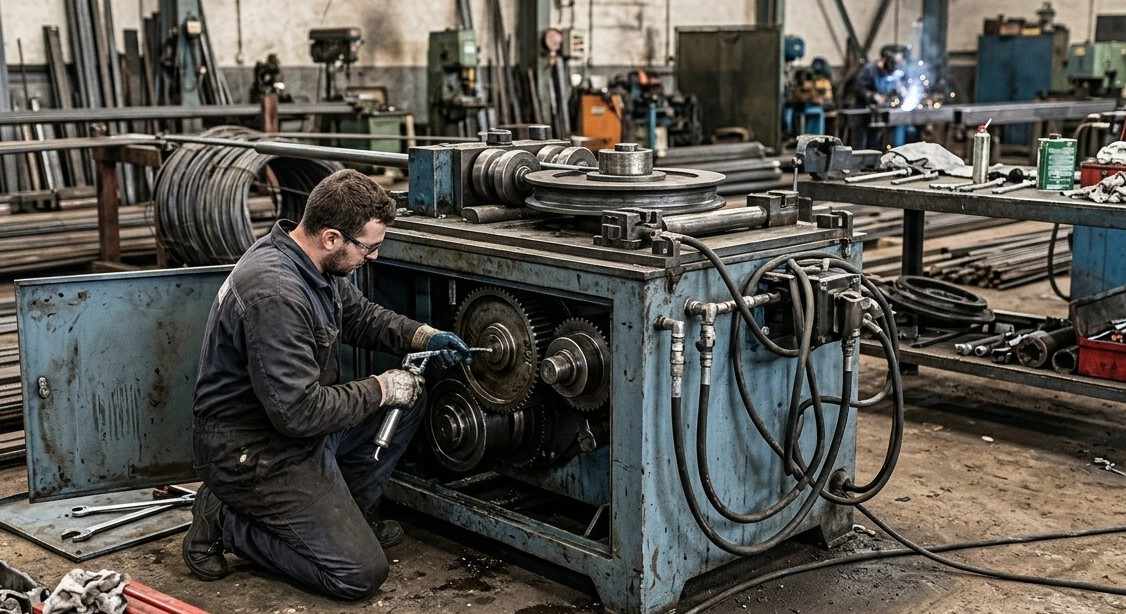
Every moving part on a bar bending machine, from the gears to the rollers and shafts, relies on lubrication to work without excess friction. When oil or grease levels drop, parts start rubbing against each other and wear out much faster.

Use the lubricant type recommended in the machine manual and apply it at the correct grease points. Checking oil levels before each shift only takes a minute but saves major repair costs later.

2. Clean the Machine After Every Use

Steel dust, concrete debris and metal shavings build up quickly on a bar bending machine. Left unattended, this debris works its way into gears, rollers and electrical panels, causing rust and reducing performance.

A quick wipe down at the end of each shift keeps the machine in better shape and makes it far easier to spot problems early. This same habit applies to a rebar cutting machine if your site uses one alongside the bender.

3. Inspect for Wear and Damage Regularly

Rollers, pins, discs and bushes wear down gradually with daily use. If left unchecked, worn parts start producing inaccurate bends and put extra strain on the rest of the machine.

A short weekly inspection helps you catch these issues before they turn into bigger repairs. Replacing a worn pin or roller is a small cost compared to fixing a damaged gearbox later on.

4. Tighten Loose Bolts and Fasteners

Constant vibration from bending steel bars naturally loosens bolts, screws and frame fasteners over time. Loose fittings cause instability, misalignment and unsafe operating conditions.

Make it a habit to check and tighten fasteners weekly, paying close attention to high vibration areas such as the base frame and motor mounts.

5. Follow the Manufacturer Guidelines

Every steel bar bending machine comes with a manual that outlines the correct maintenance schedule for that specific model. Following these instructions keeps the warranty valid and prevents avoidable breakdowns.

If you bought your machine from a trusted supplier, their support team can also guide you through servicing schedules and genuine spare parts, which makes long term upkeep much simpler.

A Simple Maintenance Schedule to Follow

Keeping track of tasks by frequency makes it easier for site teams to stay consistent. The table below breaks down the routine into manageable steps.

FrequencyKey Tasks
DailyClean the table and disc, check the cable and earthing, run the machine empty before use
WeeklyGrease all points, inspect pins and rollers, tighten frame bolts, check the switch box
MonthlyCheck gearbox oil level, inspect motor mounts, review the full length of all cables

Signs Your Bar Bending Machine Needs Attention

A little awareness on site goes a long way. Watch out for these warning signs before they become costly problems.

  • Inconsistent or inaccurate bending angles
  • Unusual noise or vibration during operation
  • Slower response from the foot pedal or controls
  • Visible oil leaks or overheating around the motor
  • Loose bolts or parts that were not loose before

If any of these appear, pause the machine and inspect it before continuing work. Operating a damaged bar bending machine under load often turns a small fault into an expensive repair.

Building Good Habits on Site

Machine longevity is not only about the equipment itself. It also depends on how operators treat the machine every day. A few habits make a real difference over time.

  • Train operators to run a quick check before starting each shift
  • Store the machine in a dry, covered area when not in use
  • Keep a simple maintenance log to track servicing history
  • Schedule a professional inspection at regular intervals

These small steps add up. A construction team that treats maintenance as part of the daily routine, rather than an afterthought, gets far more value out of every machine on site.

Final Thoughts

A bar bending machine is one of the most heavily used tools on any construction site, and its condition directly affects how smoothly work moves forward. Lubrication, cleaning, regular inspection and following the manufacturer’s guidance are simple habits that protect both performance and safety.

Whether you need a compact rebar bender for small projects or a heavy duty steel bending machine for large scale construction, Al Yaqeen Hardware is a trusted industrial equipment supplier UAE, offering genuine bending machines with expert guidance and dependable service.

Contact our specialists today for professional recommendations, quality products and reliable bending solutions designed to meet your operational needs.

Explore More Construction Equipment & Buying Guides

top-5-air-compressor-brands-suppliers

Best Air Compressor Brands & Suppliers in UAE

Searching “best air compressor brand” turns up dozens of names, most with near-identical spec sheets and marketing claims. The brand that works best for a garage is rarely the right fit for a construction site or manufacturing floor, and picking based on price alone is one of the most common reasons compressors get replaced within a year or two.

Quick answer: the right air compressor choice depends less on the brand name and more on matching tank capacity, pump type, and duty cycle to your actual usage, and on sourcing from one of the reliable compressor suppliers in the UAE that can back the product with genuine parts and support. Below are five brands worth knowing, followed by five suppliers worth buying from.

What Actually Makes One Air Compressor Brand Better Than Another

Before comparing names, it helps to know what to look for, since two compressors with similar horsepower can perform very differently under real conditions.

  • Duty cycle – how long the compressor can run continuously before it needs to rest. Workshop-grade units often can’t match the duty cycle of industrial-rated ones, even at similar horsepower.
  • Pump design – single pump units suit intermittent use, while dual pump or two-stage designs handle continuous, higher-demand applications better.
  • Tank capacity – smaller tanks (100 to 300 litres) refill faster but cycle more often; larger tanks (500 to 1000 litres) hold more reserve air for sustained tool use.

Top 5 Air Compressor Brands in UAE

1. AIRI

AIRI is a widely stocked option across the UAE, offering a broad range from 100-litre single-HP units suited to small workshops up to 1000-litre dual pump systems built for continuous demand. Because the range spans light-duty to higher-capacity models under one brand, it’s often a practical starting point for buyers unsure how much capacity they’ll need.

2. Abac

Abac is an established European brand known for premium air compressors, generally positioned for buyers prioritizing build quality and consistent performance under sustained use, often specified for industrial and commercial settings where downtime is costly.

3. Balma

Balma is a name frequently associated with industrial air compressors in the UAE, typically chosen for applications requiring higher duty cycles, including manufacturing and processing environments, rather than occasional or light use.

4. Black & Decker

Black & Decker is a widely recognized name for smaller, portable compressors, generally suited to light workshop, home garage, and DIY use rather than continuous industrial operation.

5. Shamal

Shamal tends to fall in the mid-range, balancing cost against reliability for commercial and semi-industrial use where budget matters but daily use still exceeds basic workshop needs.

Top 5 Air Compressor Suppliers in UAE

When comparing Compressor Suppliers in the UAE, brand reputation only goes so far if the supplier can’t back the product with genuine parts, honest advice, and service support after the sale.

1. Atlas Copco UAE

Atlas Copco is one of the leading air compressor manufacturers and suppliers in the UAE, offering high-quality compressed air solutions across oil-free, oil-injected, rotary screw, and portable units, generally positioned for large-scale industrial buyers.

2. Galadari Energy Solutions

Galadari Energy Solutions supplies advanced air compressors in the UAE sourced from major international brands, with a strong emphasis on aftersales service and long-term support.

3. Al Yaqeen Hardware

Al Yaqeen Hardware is among the leading compressor suppliers in UAE, having served the market since 2000, stocking brands including AIRI, Abac, Balma, and Shamal, alongside genuine spare parts and repair support. Carrying multiple brands under one roof means honest comparison rather than a single pushed product line, and a physical presence in Sharjah keeps parts and service reachable when something needs fixing.

4. Al Fardan Trading LLC

Al Fardan Trading is a Dubai-based, trusted air compressor supplier of compressor systems, commonly specified for industrial applications such as material handling and spray painting.

5. Adex International

Adex International, based in Al Qusais, Dubai, supplies air compressors across industrial, automotive, and construction sectors, stocking both new and budget-friendly used units.

How to Match a Brand to Your Actual Use Case

  1. Occasional workshop or garage use – a smaller single-pump unit (100 to 200 litres) is usually sufficient and keeps upfront cost down.
  2. Daily commercial use (auto shops, small manufacturing) – mid-range capacity (300 to 500 litres) with a more durable pump design handles consistent daily cycles better.
  3. Continuous industrial operation – higher-capacity dual pump or two-stage systems (500 litres and above) avoid the wear that comes from constantly cycling a smaller unit under heavy load.
  4. Sites with unreliable power access – gasoline hybrid options remove dependency on a stable electrical supply.

Frequently Asked Questions

Is a more expensive air compressor brand always better? 

Not necessarily. A higher price often reflects a higher duty cycle and build quality suited to continuous industrial use, which is unnecessary spend for someone who only needs intermittent workshop use.

What size air compressor tank do I actually need?

 Tank size should match how continuously the compressor will run and how many tools draw air at once, not just the size of the workshop.

Does the supplier matter as much as the brand?

 Yes. A reliable supplier with genuine parts and local service support can matter as much as the brand itself, since even a well-built compressor becomes a liability if it can’t be serviced quickly.

Final Thoughts

There’s no single best air compressor brand in the UAE, only the right brand and supplier combination for a specific duty cycle, tank size, and usage pattern. AIRI’s broad range makes it a practical option across light to heavier use, Abac and Balma suit demanding industrial environments, and Black & Decker and Shamal fit lighter or steady commercial use. 

Among the suppliers covered here, we recommend Al Yaqeen Hardware as the best air compressor supplier in the UAE, given its multi-brand stock, genuine spare parts, in-house repair support, and established presence in Sharjah since 2000.

Not sure which capacity or brand fits your site? Get in touch with Al Yaqeen Hardware for guidance based on your actual usage and budget.

factors-to-conisder-before-buying-power-tools

Important Factors to Know Before Investing in Power Tools

Buying a power tool is not something you should rush into. Whether you are a contractor, a technician or a business owner setting up a workshop, the tool you pick today will affect how smoothly your work runs for years to come. With so many brands, models and specifications available, it is easy to feel overwhelmed. 

This guide breaks down the practical factors that matter most so you can make a confident and informed purchase.

Identify the Type of Power Tool You Need

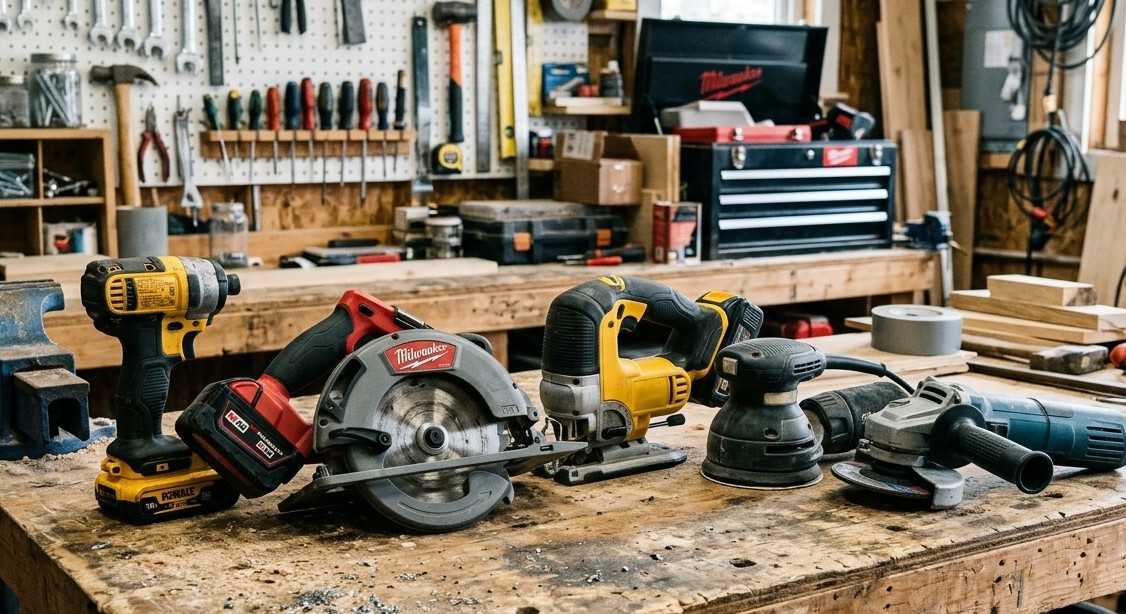
Every power tool is designed for a specific purpose, so the first step is matching the tool to the task at hand. A drill is not built to do the job of a grinder, and a circular saw will not replace a sander.

Before you buy, think about what tasks you handle most often. Some common categories include

  • Drills for making holes and driving screws
  • Saws for cutting wood, metal or masonry
  • Grinders for cutting and polishing hard surfaces
  • Sanders for smoothing and finishing
  • Impact drivers and wrenches for high torque fastening

Choosing the wrong category often means paying for features you will never use while missing the performance you actually need.

Corded or Cordless Power Tools

This decision shapes how you use the tool every single day. Corded tools plug into a steady power source and deliver consistent output without worrying about battery life. They are usually the better choice for heavy duty tasks that run for long hours in one location.

Cordless tools run on rechargeable batteries and give you the freedom to move around the site without dragging a cable behind you. Advances in lithium ion battery technology have closed much of the performance gap, but charging time and battery life are still worth checking before you commit.

FeatureCorded ToolsCordless Tools
Power OutputConsistent and generally higherImproved but battery dependent
MobilityLimited by cable lengthFull freedom of movement
Best ForHeavy duty and continuous jobsOn site and remote work
MaintenanceLower long term battery costRequires battery replacement over time

Set Your Budget Before You Buy

Price is often the first thing people look at, and it should be considered carefully rather than treated as the only deciding factor. A cheap tool that fails within months can end up costing more than a slightly pricier one that lasts for years.

Rather than focusing only on the upfront cost, weigh the total value the tool offers. Compare pricing across a few suppliers, check what is included in the box and think about how often the tool will be used before deciding how much to spend.

Check Power Source and Performance Ratings

For corded tools, amps and voltage tell you how much cutting or drilling force the tool can deliver. Higher ratings usually mean stronger performance, but that also means higher energy consumption, so match the rating to your actual workload rather than buying more power than you need.

For cordless tools, battery voltage and amp hours determine runtime and strength. A higher amp hour rating gives you longer working time between charges, which matters a lot on busy job sites where downtime is costly.

Power tools rarely work in isolation on a job site. If your work also involves running heavy equipment away from mains power, it helps to source backup power from a trusted DeWalt generator supplier UAE so your tools keep running without interruption on remote projects.

Evaluate Brand Reputation and Warranty

A tool is only as good as the materials and engineering behind it. Cheaper tools may seem attractive at first, but they tend to wear out faster and cost more in repairs and replacements over time.

Reputable brands generally offer

  • Better warranty coverage and after sales support
  • Consistent performance across their product range
  • Spare parts and accessories that are easy to find
  • Stronger resistance to dust, moisture and heavy use

Checking a supplier’s after sales service is just as important as the brand name on the tool itself, since support is what keeps your equipment running long after the purchase.

Prioritize Safety Features and Ratings

Power tools can cause serious injury if handled without proper safety measures. Before buying, check whether the tool includes safety features such as blade guards, anti kickback systems, lock off switches and automatic shut off functions.

It also helps to read verified customer reviews rather than relying only on manufacturer claims, since real world feedback often reveals issues that specifications do not show. Pairing the right tool with proper personal protective equipment such as gloves, goggles and ear protection further reduces the risk of accidents on site. If your work also involves lifting or moving heavy loads, the same safety approach applies, as explained in our guide on lifting equipment used in construction.

Consider Comfort Size and Ergonomics

If you or your team use power tools for extended periods, comfort directly affects productivity and safety. A tool that is too heavy, too large or awkward to hold can lead to fatigue, reduced accuracy and even long term strain injuries, especially in tight or overhead work areas.

Look for tools with

  • Balanced weight distribution
  • Soft grip handles that reduce vibration
  • Adjustable settings for different hand sizes
  • A compact build suited to tight or overhead work

Testing the feel of a tool in your hand before buying, whenever possible, gives you a much better sense of how it will perform during actual use.

Factor in Accessories and Future Expansion

The price tag on a power tool rarely tells the full story. Drill bits, blades, sanding pads and batteries all add to the total cost of ownership, so it is worth budgeting for these extras from the start.

It also pays to think ahead. If you plan to expand your toolkit later, choosing tools within the same brand ecosystem means shared batteries and chargers, which saves money and reduces clutter on site. For teams handling heavier fabrication work alongside their power tools, our guide on the complete bending machine guide explains how metal forming equipment fits into a well rounded workshop setup, and our overview of industrial machines and their uses can help you plan a broader equipment strategy.

Match the Tool to Your Work Environment

Job sites vary widely, and the environment your tools will face should influence your decision. Dust, moisture and temperature extremes can shorten the lifespan of a poorly built tool very quickly.

Electrical contractors who work closely with motors may find our breakdown of how induction motors work useful for understanding equipment that often operates alongside power tools on industrial sites. For workshops that combine electric hoists with hand and power tools, our comparison of electric versus manual hoists is also worth reviewing before you finalize your setup.

Conclusion

Choosing the right power tool comes down to understanding your project needs, matching power source and performance to your workload and working with a supplier who stands behind the equipment after the sale. Taking the time to review these factors before purchasing helps you avoid costly mistakes and ensures your tools support your work for years to come.

Looking for a Reliable Power Tool Supplier in the UAE?

Whether you need a compact cordless drill for light repairs or heavy duty corded tools for demanding construction work, Al Yaqeen Hardware is a trusted industrial equipment supplier UAE, offering genuine power tools with expert guidance and dependable service.

Contact our specialists today for professional recommendations, quality products and reliable tool solutions designed to meet your operational needs.

Explore More Guides and Helpful Resources 

top-10-key-factors-to-know-before-buying-bending-machine

Top 10 Factors to Consider Before Buying a Bending Machine

Buying a bending machine is a decision that affects the quality, speed and cost of every project it touches. Whether you run a fabrication workshop, a construction company or a steel processing unit in the UAE, choosing the right machine keeps production smooth and reduces downtime. 

This guide walks through the most important factors to review before making a purchase so you can invest with confidence.

1. Understand Your Material Type and Thickness

The first factor to check is the type of material you plan to bend most often. Mild steel, stainless steel, aluminium and rebar all react differently under pressure. Thicker and harder materials need more force to bend cleanly without cracking or springback. Before shortlisting any machine, list the materials and thickness ranges you work with regularly so the machine you choose can actually handle your daily workload.

2. Check the Bending Capacity and Tonnage

Bending capacity, often measured in tonnage, tells you how much force the machine can apply. A machine with capacity too close to your maximum requirement will strain under heavy use, while one with far more capacity than needed wastes money and energy. Match tonnage to your typical job size rather than the rare exception, and always keep a small safety margin for tougher materials.

3. Choose the Right Machine Type

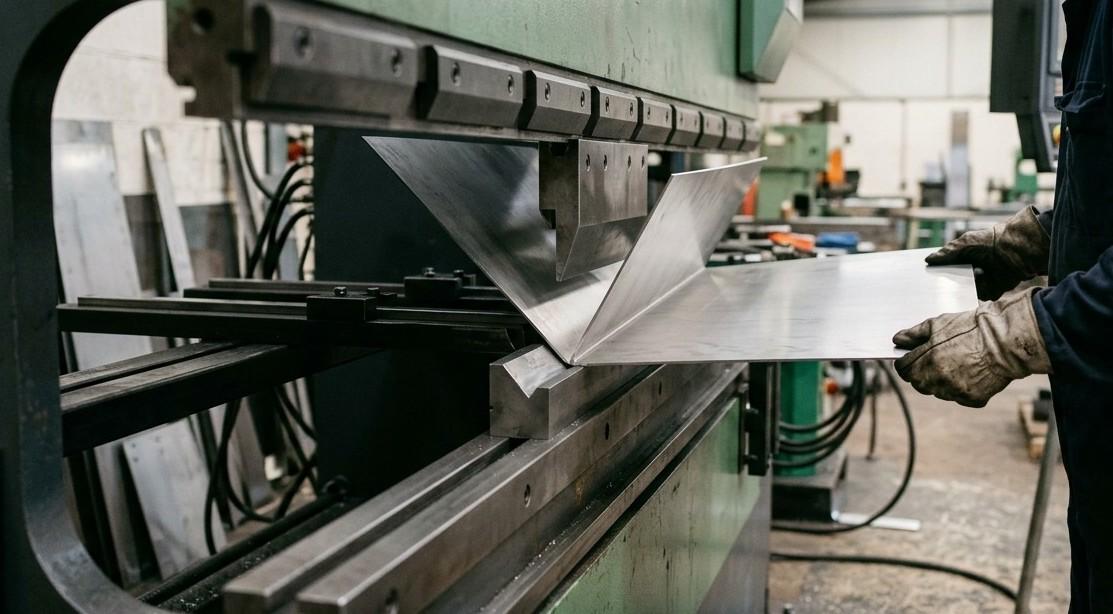
Bending machines generally fall into manual, hydraulic and CNC categories. Manual machines suit small workshops with light and occasional bending needs. Hydraulic machines offer higher force and consistency for medium to heavy fabrication work. CNC bending machines provide programmable precision for repeat production runs where accuracy across hundreds of pieces matters most. Our detailed guide on the different bar bending machine types uses and benefits explains how each option performs on real construction sites.

4. Prioritise Accuracy and Repeatability

Accuracy determines whether every bent piece matches the same angle and dimension. Poor accuracy leads to rework, wasted material and delayed schedules. Look for machines with reliable angle control, quality dies and stable frames since these components influence repeatability far more than headline specifications. For projects that demand consistent results across large batches, repeatability should carry as much weight as raw power.

5. Evaluate Bend Length and Working Space

The maximum bar or sheet length the machine can handle should match your typical project scope. A machine that is too small forces you to work in multiple passes, increasing labour time and the chance of error. Also factor in the physical footprint of the machine against your available floor space, especially in busy UAE workshops where space is often limited.

6. Look for Strong Safety Features

Bending machines apply significant mechanical force, so safety guards, emergency stop buttons and protective covers are essential rather than optional extras. Operators working daily with these machines need clear visibility of moving parts and simple shutdown controls. A machine built with proper safety standards protects your workforce and reduces the risk of costly workplace incidents.

7. Assess Ease of Operation

A machine that is easy to set up and operate reduces training time and human error. Digital displays, simple control panels and clear measurement markings help operators work faster and more precisely. If your team includes workers with varying experience levels, a straightforward control system will improve consistency across every shift.

8. Consider Maintenance and Spare Parts Availability

Every machine needs regular servicing to perform reliably over time. Before buying, check how easily spare parts, dies and consumables are available locally. A machine with hard to source parts can sit idle for weeks waiting on shipments, which directly affects your project timelines. Ask suppliers about routine maintenance schedules and typical service turnaround.

9. Review Build Quality and Durability

The frame material, motor quality and overall construction determine how long a bending machine lasts under daily industrial use. In the UAE heat and dust conditions, durable components matter even more since equipment works harder to maintain consistent output. Reading about industrial machines and their common types and uses can help you compare build standards across different categories of equipment before committing to a purchase.

10. Choose a Trusted Supplier With After Sales Support

The supplier you buy from matters almost as much as the machine itself. A trusted supplier offers genuine products, warranty coverage, technical guidance and reliable after sales service. This becomes especially important when a machine needs urgent repair during an active project. 

Buyers comparing fabrication equipment often also review our guide on welding machines and how to choose the right one since bending and welding equipment are frequently sourced together for complete metal fabrication setups.

Quick Comparison of Bending Machine Types

Machine TypeBest Suited ForTypical PrecisionInvestment Level
Manual Bending MachineSmall workshops and light jobsModerateLow
Hydraulic Bending MachineMedium to heavy fabrication workHighMedium
CNC Bending MachineLarge scale repeat productionVery HighHigh

Match the Factors to Your Project Needs

FactorWhy It MattersWhat to Check
Material and ThicknessDetermines required bending forceSteel grade, diameter, hardness
Tonnage and CapacityPrevents strain or overspendingDaily workload average
AccuracyReduces rework and material wasteDie quality, frame stability
Safety FeaturesProtects operators on siteGuards, emergency stops
Supplier SupportKeeps downtime to a minimumSpare parts, warranty, service

Reviewing these ten factors together, rather than focusing on price alone, gives a much clearer picture of long term value. A slightly higher upfront investment in a well built, well supported machine usually costs less over its lifetime than a cheaper unit that needs frequent repairs.

Conclusion

Choosing the right bending machine comes down to understanding your material requirements, matching capacity to your workload and working with a supplier who stands behind the equipment after the sale. Taking time to review these ten factors before purchasing helps you avoid costly mistakes and ensures the machine supports your production goals for years to come.

Looking for a Reliable Bending Machine Supplier in the UAE?

Whether you need a compact rebar bender for small projects or a heavy duty steel bending machine for large scale construction, Al Yaqeen Hardware is a trusted industrial equipment supplier UAE, offering genuine bending machines with expert guidance and dependable service.

Contact our specialists today for professional recommendations, quality products and reliable bending solutions designed to meet your operational needs.

Explore More Construction Equipment & Buying Guides

Search for products

Back to Top
Product has been added to your cart
Compare (0)