10 Common Air Compressor Problems and Their Solutions
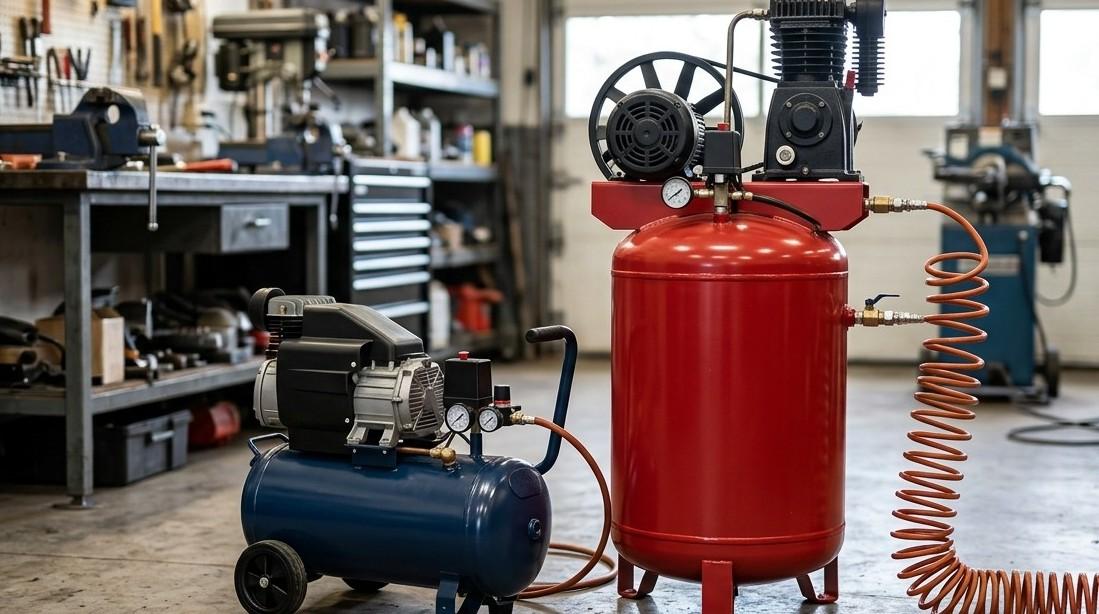
Air compressors work hard every day, powering tools, production lines and workshop equipment across homes and industries. Over time, wear and missed maintenance lead to performance issues that slow down work and raise costs.
This guide walks through the ten problems most commonly reported by users, along with the cause behind each one and the fix that works. Knowing these patterns helps you plan maintenance instead of reacting to breakdowns.
Why Air Compressor Problems Happen?
Most issues come from three sources, worn parts, poor maintenance or a system that does not match the workload. An undersized compressor, or one running in a dusty poorly ventilated space, shows problems faster than a properly sized unit that receives regular care.
If you are unsure whether your current unit fits your workload, our air compressor guide covering types applications and selection tips can help you compare options before you buy.
Common Air Compressor Problems and Their Solutions
Below is a breakdown of the ten most frequent air compressor problems reported across homes, workshops and industrial sites. Each one includes the common cause and a practical fix you can apply before it turns into a bigger repair.
1. Low Air Pressure
Weak air pressure usually comes from a clogged filter, a leaking hose or fitting, or a worn pressure regulator. Cleaning or replacing the filter and checking connections with soapy water often solves the problem quickly.
2. Compressor Overheating
Overheating shows up as sudden shutdowns or a hot smell during operation. Dirty coolers, low oil level and poor ventilation are the usual causes. Clean the cooling fins, keep oil topped up and ensure the room has enough airflow.
3. Air Leaks
Leaks are silent but expensive since they force the motor to run longer than needed. Worn seals, loose fittings and cracked hoses are common culprits. A soap water test on joints and valves will reveal most leaks.
4. Unusual Noise or Vibration
Grinding, knocking or squealing sounds point to loose bolts, worn belts or failing bearings. Tightening mounting hardware and replacing worn bearings early prevents damage spreading to the motor or air end.
5. Frequent Cycling
If the compressor starts and stops more often than usual, check the pressure switch settings, the check valve and the receiver tank size. A tank too small for the demand will cycle constantly and wear out faster.
6. Oil Contamination or Excessive Oil Use
Dirty or degraded oil damages internal components quickly, usually from missed oil changes, the wrong oil type or a worn oil separator. Following the manufacturer oil change schedule protects the compressor long term.
7. Moisture or Water in the Air Line
Water in the line usually means the tank drain is not working or the system needs a dryer. Draining the receiver tank daily, or fitting an automatic drain valve, keeps moisture from collecting and causing rust. Our guide on common pressure tank mistakes and how to fix them covers related sizing and maintenance tips worth reviewing.
8. Compressor Won’t Start
A compressor that refuses to start may have a tripped breaker, low oil level or a stuck pressure switch. Check the power supply first, then the oil level and finally the pressure switch before assuming a bigger fault.
9. High Energy Consumption
A rising electricity bill without any change in usage often points to leaks, dirty filters or a compressor undersized for current demand. Fixing leaks and cleaning filters usually brings consumption back down.
10. Electrical Faults
Blown fuses, tripped breakers and dimming lights at start up point to electrical strain, often from an underpowered motor or a worn starter capacitor. Our guide on how induction motors work explains how these motors run compressors and where faults tend to start.
Quick Troubleshooting Reference
| Problem | Likely Cause | Recommended Fix |
| Low air pressure | Clogged filter or air leak | Clean filter and seal leaks |
| Overheating | Dirty cooler or low oil | Clean cooler and top up oil |
| Air leaks | Worn seals or loose fittings | Soap test and replace parts |
| Unusual noise | Loose belts or worn bearings | Tighten hardware, replace parts |
| Frequent cycling | Faulty switch or small tank | Adjust settings or upsize tank |
| Won’t start | Power supply or oil issue | Check supply and oil level |
Warning Signs You Should Not Ignore
- Sudden drop in pressure while tools are running
- Oil or water visible inside the air line
- Rising noise, heat or vibration levels
- Circuit breaker tripping more than once
- A noticeable jump in electricity bills with no change in use
Preventive Maintenance Tips
- Check oil level and listen for unusual sounds daily
- Drain the receiver tank and inspect hoses weekly
- Clean or replace filters monthly
- Service separators, valves and seals every year
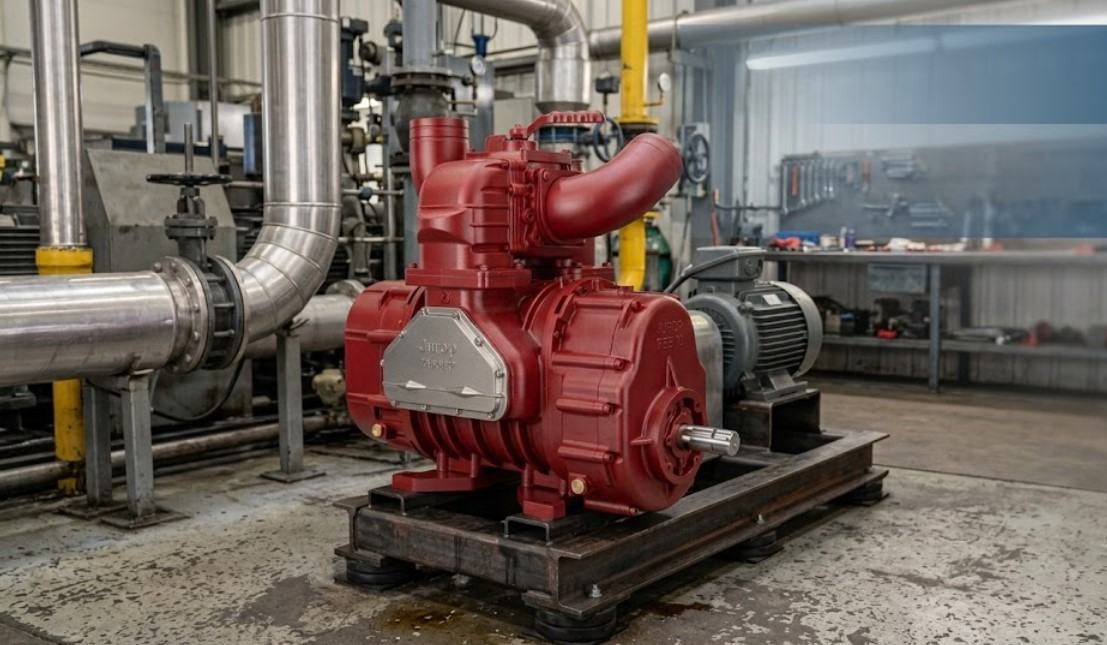
Vacuum pumps face similar wear patterns. Our industrial vacuum pump maintenance tips for UAE operators offer useful guidance for facilities running both types of equipment.
Maintenance Schedule at a Glance
| Frequency | Task |
| Daily | Check oil level and listen for noise |
| Weekly | Drain tank and inspect hoses and belts |
| Monthly | Clean or replace filters |
| Yearly | Replace seals and service valves and separators |
Benefits of Fixing Air Compressor Problems Early
- Lower repair costs since small parts are cheaper than major overhauls
- Less unplanned downtime on the shop floor or production line
- Longer service life for the motor, air end and receiver tank
- Safer operation for staff working around the equipment
Sourcing genuine parts also matters here, buying from trusted air compressor suppliers UAE Sharjah helps you avoid the repeat failures that come with low quality replacements.
When to Call a Professional
Simple fixes like cleaning a filter or tightening a fitting can be done in house. Electrical faults, air end wear and repeated pressure loss after basic checks usually need a trained technician, our air compressor repair service covers exactly these situations.
Conclusion
Choosing the right air compressor comes down to matching your actual workload with the correct type, size and duty cycle rather than simply picking the cheapest or most powerful unit on the shelf. A homeowner inflating tires has very different needs from a workshop running impact tools all day or a factory operating continuous production lines.
Understanding CFM, PSI, air quality requirements and long term maintenance helps you avoid overspending while ensuring your tools and machines run reliably for years to come.
Looking for a Reliable Air Compressor Supplier in the UAE
Whether you need a compact unit for home projects, a rotary screw system for daily workshop use or a full industrial setup built for continuous operation, Al Yaqeen Hardware is a trusted air compressor supplier in the UAE, offering genuine products from leading brands along with expert guidance and dependable after sales support.
Contact our specialists today for tailored recommendations, competitive pricing and reliable air compressor solutions designed to meet your home, workshop or industrial needs.
Explore More Industrial Guides & Articles
If you are planning to upgrade or build your workshop or industrial setup, you may also find these guides helpful:
- How to Choose the Right Power Trowel for Your Concrete Project – Understand key selection factors for achieving smooth and durable concrete finishing results.
- Types of Welding Machines & How to Choose the Right One – Learn about different welding technologies and how to select the right machine for your application.
- I Tested 5 Diesel Pumps on Sites — Here’s What Worked – A practical comparison of diesel pumps based on real-world performance and efficiency.
- Common Pressure Tank Mistakes and How to Fix Them – Identify common installation errors and learn how to improve pressure tank performance.
- What Is an Industrial Vacuum Pump? Types and Their Uses: Rotary vane, diaphragm and liquid ring vacuum pumps explained for industrial and laboratory buyers.