
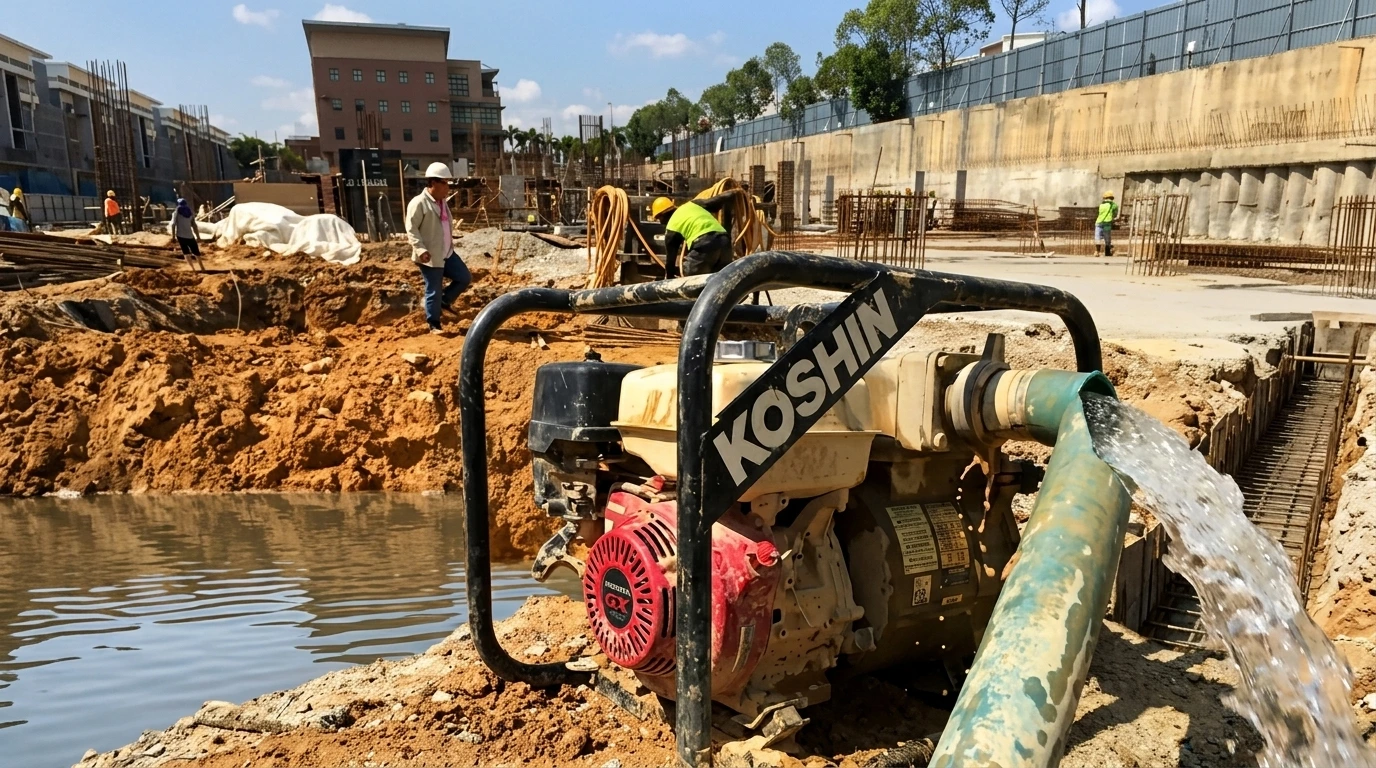
Running a Koshin pump in the Gulf means dealing with heat, sand and salty water every week. This guide walks you through which parts wear out first, how often to check them, how to spot faults early and what to confirm before buying spares, so your pump keeps working on the job instead of sitting in the workshop.
If you run a Koshin pump in the Gulf, you already know how hard the weather is on it. The summer heat is brutal, sand gets into everything, and the water on site is often dirty or salty. A small problem like a leaking seal or a blocked air filter can quickly turn into a pump that loses pressure or will not start.
This Koshin pumps parts and maintenance guide for Gulf markets keeps things practical. You will see which parts wear out first, how often to check them and how to buy the right spares, so your pump keeps working when the job needs it.
What Are the Main Parts of a Koshin Pump?
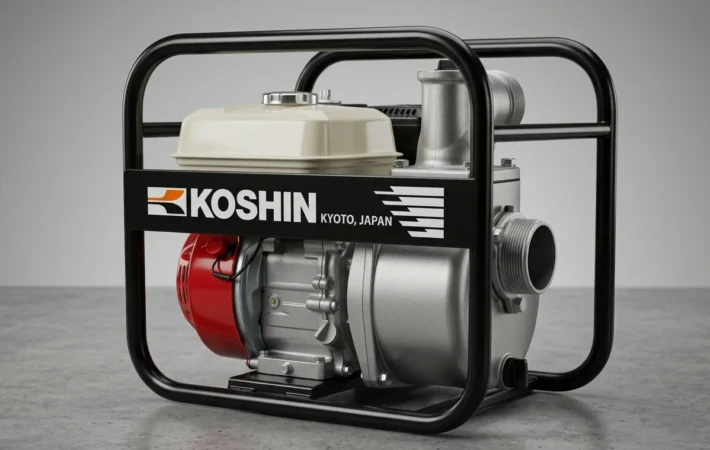
A Koshin engine pump has two working halves. The engine supplies power, and the pump end moves water through an impeller, a casing and a set of seals. Everything else, from the frame to the hose fittings, supports those two jobs.
Knowing this layout makes fault finding much faster.
- Engine with spark plug, air filter, fuel filter and recoil starter
- Impeller that spins and builds pressure
- Volute casing that guides the water out
- Mechanical seal that keeps water away from the engine side
- Gaskets and O rings between the casing sections
- Suction and discharge fittings, plus the strainer
- Steel frame that keeps the unit stable and protected
How Do Gulf Heat, Sand and Salt Affect Koshin Pump Parts?
Heat, airborne sand and abrasive or salty water all shorten the life of Koshin pump parts in the Gulf. Heat hardens rubber seals and thins engine oil. Sand clogs air filters and scratches the impeller. Salt speeds up corrosion on bolts, fittings and the casing.
Heat Stress on the Engine
Engines running in direct summer sun often overheat when the cooling fins are packed with dust. Oil also loses protection faster at high temperature, so oil changes matter more here than the minimum interval in a manual might suggest.
Sand and Salt Damage on the Pump End
Pumping from a trench, a tank bottom or a coastal source pulls fine solids into the casing. These wear the impeller edges and the seal faces. Flushing the pump with clean water after each job removes most of the salt before it settles.
Which Koshin Pump Parts Need Replacing Most Often?
The mechanical seal, impeller, gaskets, spark plug and filters wear out first on a Koshin pump. These parts touch water, sand, heat or fuel directly. Keeping a small spare set of each on the shelf prevents most unplanned stoppages on site.
| Part | Sign of Wear | When to Check |
| Mechanical seal | Drips near the shaft | Weekly during heavy use |
| Impeller | Low pressure, rough noise | Every season or after sandy jobs |
| Gaskets and O rings | Air leaks, lost prime | Whenever the casing is opened |
| Spark plug | Hard starting, misfire | Every service |
| Air filter | Black smoke, low power | Before every shift in dusty areas |
| Hoses and clamps | Cracks, soft spots | Before each job |
How Often Should You Service a Koshin Pump in the Gulf?
Check the pump before every job, inspect it more closely each week during heavy use, and service the whole unit at the interval in your Koshin manual. In Gulf conditions, shorten that interval if the pump runs in dust or on salty water.
Daily and Weekly Checks
- Check engine oil and fuel level
- Look at the air filter and shake out loose dust
- Inspect hoses, clamps and the suction strainer
- Flush the pump with clean water after use
Seasonal and Storage Checks
Before summer, open the casing and look at the impeller and wear faces. Replace any gasket that has hardened. Drain old fuel if the pump will sit idle, because stale fuel gums up the carburetor quickly in hot storage yards.
This routine is the practical core of any Koshin pumps parts and maintenance guide for Gulf markets. Small checks done often cost far less than a seized seal in August.
How Do You Troubleshoot Common Koshin Pump Faults?
Most Koshin pump faults come from three places. Air is getting into the suction line, a part is worn, or the engine is not getting clean fuel and air. Work through them in that order before stripping anything down.
- No water or lost prime. Check the suction hose, clamps and casing gasket for air leaks, and fill the casing before starting.
- Low pressure. Look for a blocked strainer, a worn impeller or a kinked hose.
- Water at the shaft. The mechanical seal is likely worn and needs replacing.
- Hard starting. Inspect the spark plug, fuel quality and air filter.
- Overheating. Clear dust from the engine fins and confirm the oil level.
Pump performance testing in the industry follows standards such as ISO 9906. If a unit seems well below its rated output, compare it with the figures in the Koshin datasheet before blaming the site. A solid Koshin pumps parts and maintenance guide for Gulf markets should always start with the datasheet.
How Do You Choose the Right Koshin Pump Spare Parts?
Match spare parts by pump model and serial details, not by size alone. A seal or impeller that looks similar can differ in shaft diameter, vane shape or material. Buying from an authorised source gives you the correct part number and a record to work from.
A reliable Koshin pump supplier can confirm compatibility before you order, which matters when a rental unit is waiting in the yard. Keep the model number from the pump plate handy when you ask.
It also helps to stock a basic service kit for each model. A seal, gasket set, spark plug and filter cover most common repairs. If you manage several units, standardise on a few models so your spares overlap.
Storage matters too. Keep rubber parts in a cool, shaded place, because gaskets and seals left in a hot container can harden before they are ever fitted.
Final Thoughts:
Koshin pumps are built for tough work, and the Gulf tests that claim every day. Regular checks, quick flushing, clean filters and fresh seals keep them delivering steady flow through the hottest months. This Koshin pumps parts and maintenance guide for Gulf markets comes down to one habit, which is catching small wear before it becomes a breakdown.
For genuine Koshin pump spares, replacement components and product information, you can also explore the range available from Al Yaqeen Hardware.
Need the Right Koshin Pump Parts?
Share your Koshin pump model and the part you need. Our team can help you identify the right replacement, check compatibility, and confirm availability before you place your order.
FAQs
What Causes a Koshin Pump to Lose Pressure?
Low pressure usually comes from air leaking into the suction line, a clogged strainer or a worn impeller. Check hose connections and gaskets first, then clean the strainer. If pressure is still weak, open the casing and inspect the impeller for wear or damage.
How Often Should You Change the Oil in a Koshin Engine Pump?
Follow the interval in your Koshin manual, including the first oil change after the break-in period. In hot, dusty Gulf conditions, change the oil sooner than the minimum because heat thins oil and dust can contaminate it faster.
Can a Koshin Pump Handle Dirty or Salty Water?
Many Koshin models suit clean or lightly dirty water, while some are designed for trash or higher solids. Check the model rating first. After pumping salty or silty water, flush the pump with fresh water to help protect the seal, impeller and casing from corrosion.
Read More Blogs From Al Yaqeen Hardware
- Industrial Machines: An Informative Guide to Types And Uses covers generators, welding machines, air compressors and pumps used across industrial sites.
- Important Factors to Know Before Investing in Power Tools breaks down what to check on power source, safety and durability before buying equipment.
- Best Air Compressor Brands and Suppliers in UAE compares leading brands to help you pick the right compressor for your site.
- Bar Bending Machine Benefits for Modern Construction Projects explains how the right bending equipment improves speed and accuracy on site.
- 5 Tips to Extend Your Bar Bending Machine’s Life shares practical upkeep habits that apply to power equipment generally.


Leave a comment
Your email address will not be published. Required fields are marked *