
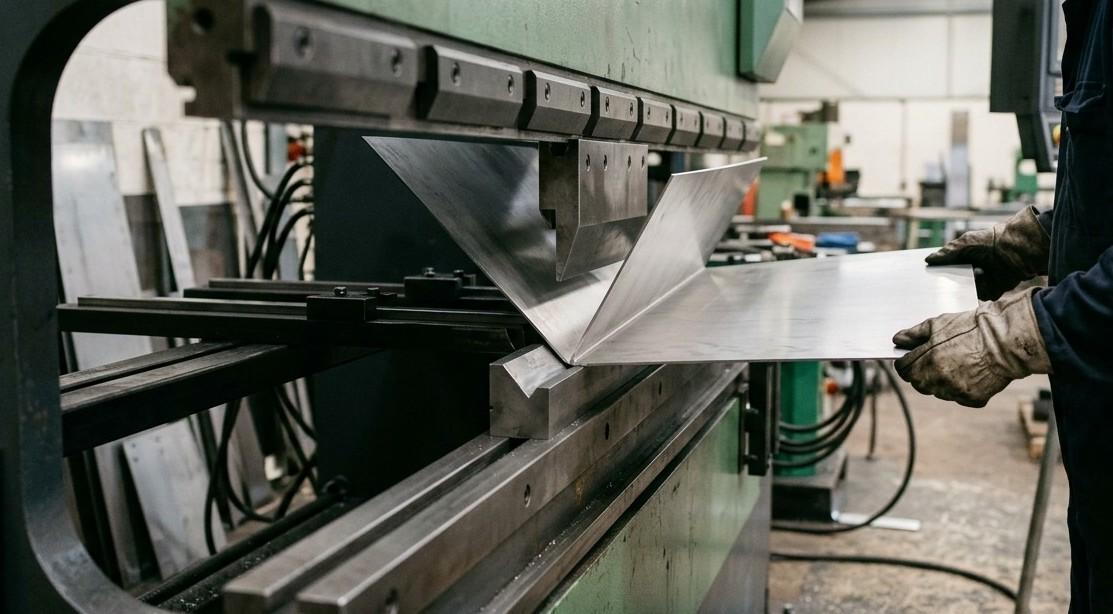
Buying a bending machine is a decision that affects the quality, speed and cost of every project it touches. Whether you run a fabrication workshop, a construction company or a steel processing unit in the UAE, choosing the right machine keeps production smooth and reduces downtime.
This guide walks through the most important factors to review before making a purchase so you can invest with confidence.
1. Understand Your Material Type and Thickness
The first factor to check is the type of material you plan to bend most often. Mild steel, stainless steel, aluminium and rebar all react differently under pressure. Thicker and harder materials need more force to bend cleanly without cracking or springback. Before shortlisting any machine, list the materials and thickness ranges you work with regularly so the machine you choose can actually handle your daily workload.
2. Check the Bending Capacity and Tonnage
Bending capacity, often measured in tonnage, tells you how much force the machine can apply. A machine with capacity too close to your maximum requirement will strain under heavy use, while one with far more capacity than needed wastes money and energy. Match tonnage to your typical job size rather than the rare exception, and always keep a small safety margin for tougher materials.
3. Choose the Right Machine Type
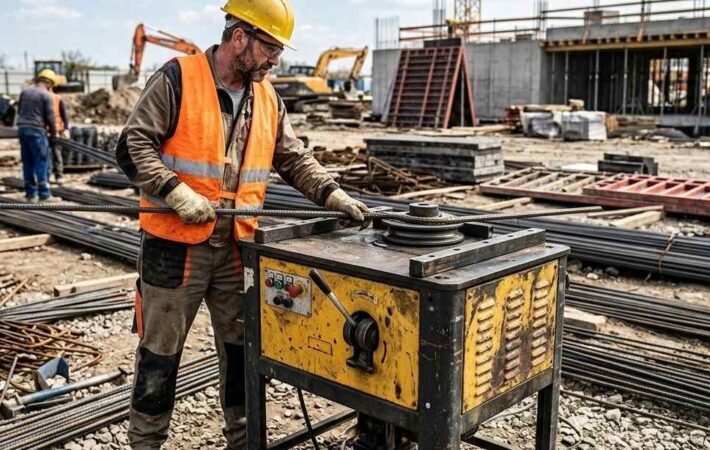
Bending machines generally fall into manual, hydraulic and CNC categories. Manual machines suit small workshops with light and occasional bending needs. Hydraulic machines offer higher force and consistency for medium to heavy fabrication work. CNC bending machines provide programmable precision for repeat production runs where accuracy across hundreds of pieces matters most. Our detailed guide on the different bar bending machine types uses and benefits explains how each option performs on real construction sites.
4. Prioritise Accuracy and Repeatability
Accuracy determines whether every bent piece matches the same angle and dimension. Poor accuracy leads to rework, wasted material and delayed schedules. Look for machines with reliable angle control, quality dies and stable frames since these components influence repeatability far more than headline specifications. For projects that demand consistent results across large batches, repeatability should carry as much weight as raw power.
5. Evaluate Bend Length and Working Space
The maximum bar or sheet length the machine can handle should match your typical project scope. A machine that is too small forces you to work in multiple passes, increasing labour time and the chance of error. Also factor in the physical footprint of the machine against your available floor space, especially in busy UAE workshops where space is often limited.
6. Look for Strong Safety Features
Bending machines apply significant mechanical force, so safety guards, emergency stop buttons and protective covers are essential rather than optional extras. Operators working daily with these machines need clear visibility of moving parts and simple shutdown controls. A machine built with proper safety standards protects your workforce and reduces the risk of costly workplace incidents.
7. Assess Ease of Operation
A machine that is easy to set up and operate reduces training time and human error. Digital displays, simple control panels and clear measurement markings help operators work faster and more precisely. If your team includes workers with varying experience levels, a straightforward control system will improve consistency across every shift.
8. Consider Maintenance and Spare Parts Availability
Every machine needs regular servicing to perform reliably over time. Before buying, check how easily spare parts, dies and consumables are available locally. A machine with hard to source parts can sit idle for weeks waiting on shipments, which directly affects your project timelines. Ask suppliers about routine maintenance schedules and typical service turnaround.
9. Review Build Quality and Durability
The frame material, motor quality and overall construction determine how long a bending machine lasts under daily industrial use. In the UAE heat and dust conditions, durable components matter even more since equipment works harder to maintain consistent output. Reading about industrial machines and their common types and uses can help you compare build standards across different categories of equipment before committing to a purchase.
10. Choose a Trusted Supplier With After Sales Support
The supplier you buy from matters almost as much as the machine itself. A trusted supplier offers genuine products, warranty coverage, technical guidance and reliable after sales service. This becomes especially important when a machine needs urgent repair during an active project.
Buyers comparing fabrication equipment often also review our guide on welding machines and how to choose the right one since bending and welding equipment are frequently sourced together for complete metal fabrication setups.
Quick Comparison of Bending Machine Types
| Machine Type | Best Suited For | Typical Precision | Investment Level |
| Manual Bending Machine | Small workshops and light jobs | Moderate | Low |
| Hydraulic Bending Machine | Medium to heavy fabrication work | High | Medium |
| CNC Bending Machine | Large scale repeat production | Very High | High |
Match the Factors to Your Project Needs
| Factor | Why It Matters | What to Check |
| Material and Thickness | Determines required bending force | Steel grade, diameter, hardness |
| Tonnage and Capacity | Prevents strain or overspending | Daily workload average |
| Accuracy | Reduces rework and material waste | Die quality, frame stability |
| Safety Features | Protects operators on site | Guards, emergency stops |
| Supplier Support | Keeps downtime to a minimum | Spare parts, warranty, service |
Reviewing these ten factors together, rather than focusing on price alone, gives a much clearer picture of long term value. A slightly higher upfront investment in a well built, well supported machine usually costs less over its lifetime than a cheaper unit that needs frequent repairs.
Conclusion
Choosing the right bending machine comes down to understanding your material requirements, matching capacity to your workload and working with a supplier who stands behind the equipment after the sale. Taking time to review these ten factors before purchasing helps you avoid costly mistakes and ensures the machine supports your production goals for years to come.
Looking for a Reliable Bending Machine Supplier in the UAE?
Whether you need a compact rebar bender for small projects or a heavy duty steel bending machine for large scale construction, Al Yaqeen Hardware is a trusted industrial equipment supplier UAE, offering genuine bending machines with expert guidance and dependable service.
Contact our specialists today for professional recommendations, quality products and reliable bending solutions designed to meet your operational needs.
Explore More Construction Equipment & Buying Guides
- What Is a Bending Machine? A Guide to Its Types & Uses: Learn what bending machines are, their main types, and how they are used in different applications.
- Top 10 Factors to Consider Before Buying a Bending Machine: Discover the key factors to consider when choosing a bending machine for your project and requirements.
- Everything You Need to Know About Bar Bending Machines: Explore bar bending machines, their features, applications, and role in construction and metalworking.
- 7 Game-Changing Secrets to Maximize Concrete Batching Efficiency: Improve batching plant output and reduce material waste.
- Choosing Abrasives for Welding and Metal Fabrication: Pick the right abrasive for steel cutting and finishing work.

Leave a comment
Your email address will not be published. Required fields are marked *