
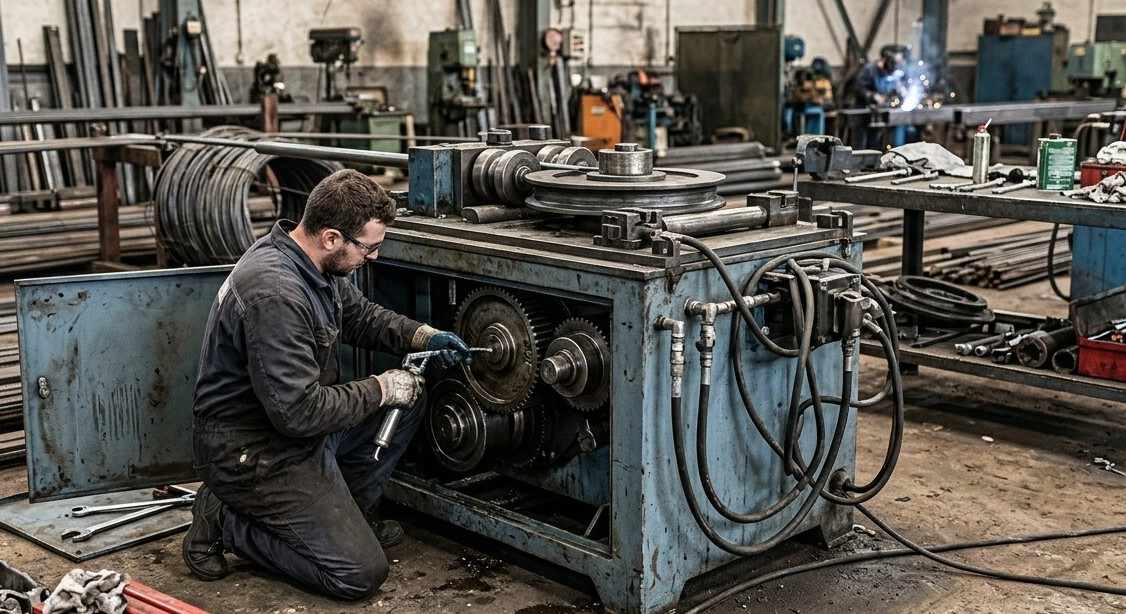
A bar bending machine works hard on every construction site. It shapes reinforcement bars all day, often under dust, heat and constant vibration. Without regular care, even a strong and well built machine starts to lose accuracy and eventually breaks down when you need it most.
The good news is that most of these breakdowns are avoidable. A short daily routine and a few weekly checks are usually enough to keep a rebar bending machine running smoothly for years. This guide walks through the practical steps that keep your machine reliable, safe and cost effective to run.
Why Bar Bending Machine Maintenance Matters
Construction sites depend on tight schedules. When a bending machine stops working, the whole rebar fitting process slows down and labour sits idle. Proper maintenance keeps the machine ready when the crew needs it.
Regular care also protects your investment. A well maintained machine holds its bending accuracy for longer, uses less power and needs fewer replacement parts over its lifetime. On top of that, a machine in good condition is simply safer to operate, which matters a great deal when heavy steel bars and moving rollers are involved.
5 Maintenance Tips to Extend the Life of Your Bar Bending Machine
A little regular maintenance can go a long way in keeping your bar bending machine running smoothly, reducing unexpected breakdowns, and helping you get more years of reliable use from it.
1. Keep the Machine Properly Lubricated
Every moving part on a bar bending machine, from the gears to the rollers and shafts, relies on lubrication to work without excess friction. When oil or grease levels drop, parts start rubbing against each other and wear out much faster.
Use the lubricant type recommended in the machine manual and apply it at the correct grease points. Checking oil levels before each shift only takes a minute but saves major repair costs later.
2. Clean the Machine After Every Use
Steel dust, concrete debris and metal shavings build up quickly on a bar bending machine. Left unattended, this debris works its way into gears, rollers and electrical panels, causing rust and reducing performance.
A quick wipe down at the end of each shift keeps the machine in better shape and makes it far easier to spot problems early. This same habit applies to a rebar cutting machine if your site uses one alongside the bender.
3. Inspect for Wear and Damage Regularly
Rollers, pins, discs and bushes wear down gradually with daily use. If left unchecked, worn parts start producing inaccurate bends and put extra strain on the rest of the machine.
A short weekly inspection helps you catch these issues before they turn into bigger repairs. Replacing a worn pin or roller is a small cost compared to fixing a damaged gearbox later on.
4. Tighten Loose Bolts and Fasteners
Constant vibration from bending steel bars naturally loosens bolts, screws and frame fasteners over time. Loose fittings cause instability, misalignment and unsafe operating conditions.
Make it a habit to check and tighten fasteners weekly, paying close attention to high vibration areas such as the base frame and motor mounts.
5. Follow the Manufacturer Guidelines
Every steel bar bending machine comes with a manual that outlines the correct maintenance schedule for that specific model. Following these instructions keeps the warranty valid and prevents avoidable breakdowns.
If you bought your machine from a trusted supplier, their support team can also guide you through servicing schedules and genuine spare parts, which makes long term upkeep much simpler.
A Simple Maintenance Schedule to Follow
Keeping track of tasks by frequency makes it easier for site teams to stay consistent. The table below breaks down the routine into manageable steps.
| Frequency | Key Tasks |
| Daily | Clean the table and disc, check the cable and earthing, run the machine empty before use |
| Weekly | Grease all points, inspect pins and rollers, tighten frame bolts, check the switch box |
| Monthly | Check gearbox oil level, inspect motor mounts, review the full length of all cables |
Signs Your Bar Bending Machine Needs Attention
A little awareness on site goes a long way. Watch out for these warning signs before they become costly problems.
- Inconsistent or inaccurate bending angles
- Unusual noise or vibration during operation
- Slower response from the foot pedal or controls
- Visible oil leaks or overheating around the motor
- Loose bolts or parts that were not loose before
If any of these appear, pause the machine and inspect it before continuing work. Operating a damaged bar bending machine under load often turns a small fault into an expensive repair.
Building Good Habits on Site
Machine longevity is not only about the equipment itself. It also depends on how operators treat the machine every day. A few habits make a real difference over time.
- Train operators to run a quick check before starting each shift
- Store the machine in a dry, covered area when not in use
- Keep a simple maintenance log to track servicing history
- Schedule a professional inspection at regular intervals
These small steps add up. A construction team that treats maintenance as part of the daily routine, rather than an afterthought, gets far more value out of every machine on site.
Final Thoughts
A bar bending machine is one of the most heavily used tools on any construction site, and its condition directly affects how smoothly work moves forward. Lubrication, cleaning, regular inspection and following the manufacturer’s guidance are simple habits that protect both performance and safety.
Whether you need a compact rebar bender for small projects or a heavy duty steel bending machine for large scale construction, Al Yaqeen Hardware is a trusted industrial equipment supplier UAE, offering genuine bending machines with expert guidance and dependable service.
Contact our specialists today for professional recommendations, quality products and reliable bending solutions designed to meet your operational needs.
Explore More Construction Equipment & Buying Guides
- Complete Bending Machine Guide: Types, Uses & Benefits: A full overview of how bending machines work across different construction applications.
- Leading Steel Bending Machine Suppliers in UAE: Browse the range of steel and bar bending machines available for UAE job sites.
- Automatic Steel Bar Bender GW-42: See the specifications of a widely used automatic rebar bending machine.
- Lifting Equipment in Construction: Types and Uses: A guide to the lifting machinery that often works alongside rebar processing equipment.
- Electric vs Manual Hoists: Which Is Safer and More Efficient?: Compare hoist types used on the same construction sites as bar bending machines.

Pingback: Specifications and model range of Koshin motor pumps
Pingback: Koshin Pumps Parts and Maintenance Guide for Gulf Markets