
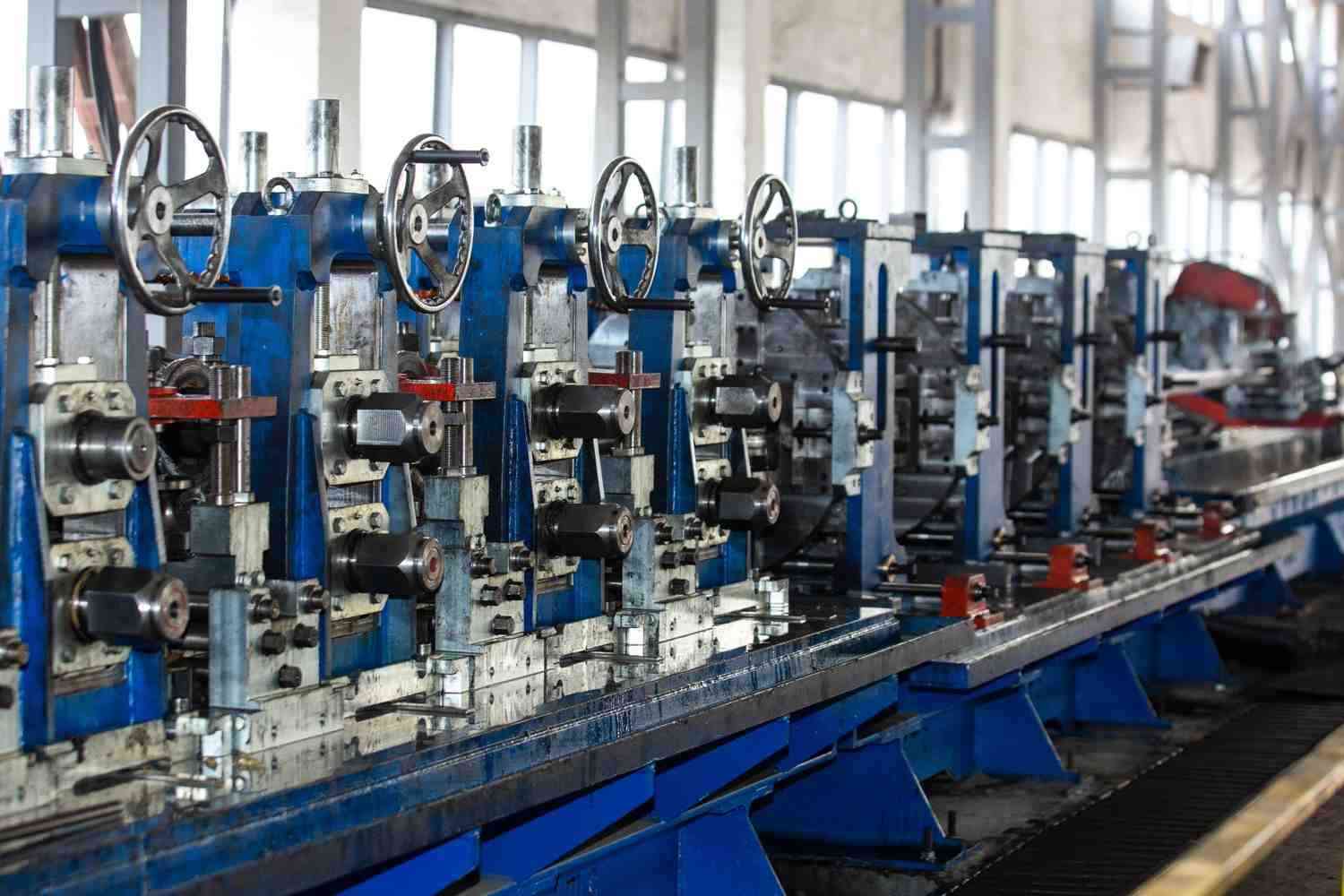
Industrial machines form the backbone of modern manufacturing, construction, and material handling. They help businesses increase productivity, ensure precision, and maintain high-quality standards. Understanding the different types of industrial machines and their applications is essential for operators, engineers, and procurement specialists.
This guide offers a comprehensive overview of industrial machinery, real-world examples, and expert insights to help you make informed decisions.
What Are Industrial Machines?
Industrial machines are specialized equipment designed to perform repetitive, heavy-duty, or complex tasks. Unlike handheld tools, these machines can handle large volumes, provide high accuracy, and often integrate automation or smart sensors.
Examples include CNC machines, welding machines, air compressors, and concrete equipments. Proper selection involves evaluating production volume, operational efficiency, and safety compliance.
Industrial machines are used across multiple sectors, including automotive, aerospace, food processing, construction, and agriculture. Using the right equipment can significantly reduce labor costs while improving consistency and output quality.
Major Types of Industrial Machines
Manufacturing and Production Machines
Manufacturing machines transform raw materials into finished goods with precision. These systems are designed for accuracy, repeatability, and high-volume industrial output.
CNC Machines
CNC machines perform milling, drilling, and turning of metals, plastics, and composites. Automotive and aerospace manufacturers depend on CNC systems for tight tolerances and consistent part quality.
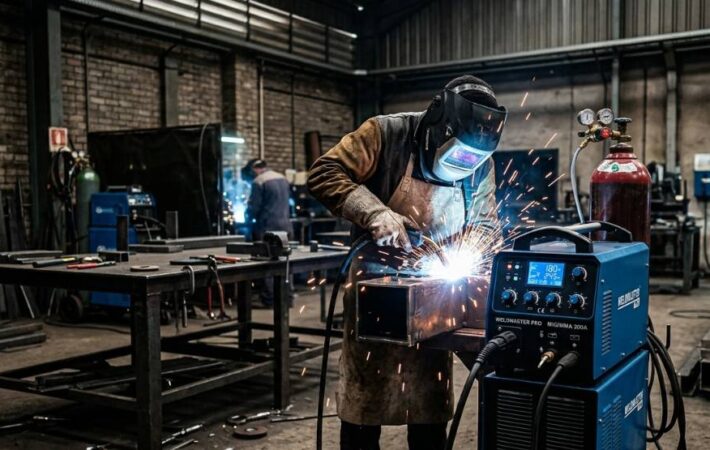
Welding Machines
Welding machines join metal components in construction, shipbuilding, and automotive fabrication. Modern systems support MIG, TIG, and ARC welding to improve strength, reduce defects, and increase production efficiency.
Air Compressors
Air compressors supply pressurized air for pneumatic tools, surface finishing, and industrial automation. Factories and workshops benefit from consistent air supply, and investing in high-capacity air compressors ensures uninterrupted pneumatic tool operation and smoother automation processes.
Selecting the right manufacturing equipment requires understanding material type, production scale, and tolerance requirements. Modern machines often include IoT integration for real-time monitoring and predictive maintenance.
Material Handling and Construction Equipment
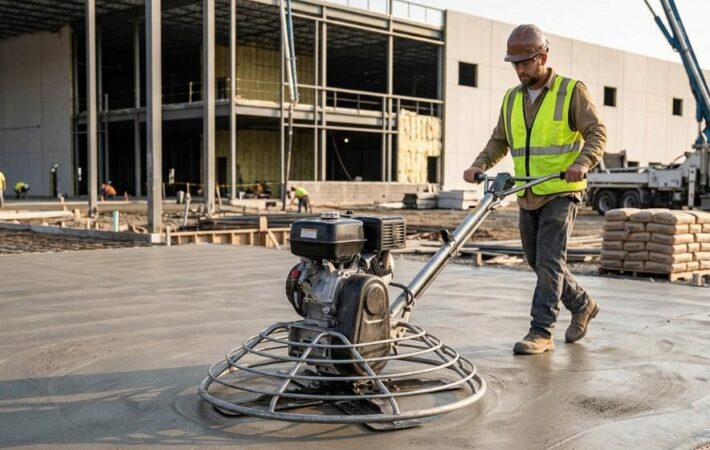
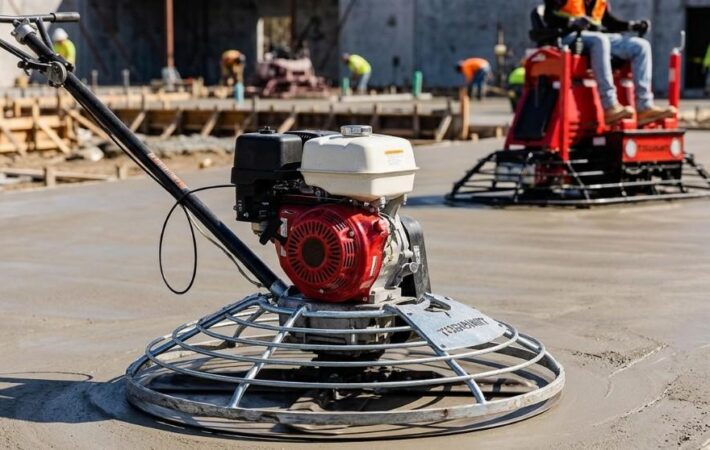
Concrete equipments and lifting equipments are key to construction and infrastructure projects.
- Concrete mixers and batching plants: Provide on-site production of high-quality concrete for residential and commercial buildings.
- Lifting equipments: Cranes, hoists, and forklifts improve material handling efficiency and reduce manual labor on-site. On busy construction sites and warehouses, investing in certified industrial lifting equipment improves load handling efficiency, minimizes manual risks, and speeds up material movement.
- Excavators and bulldozers: Essential for earthmoving, foundation digging, and site leveling.
Using construction machinery integrated with smart sensors allows managers to track fuel efficiency, performance, and maintenance schedules. Investing in reliable equipment ensures timely project completion and cost efficiency.
Power and Fluid Handling Machines
Reliable energy and fluid machines maintain industrial operations without interruptions.
- Generators: Provide backup power to factories, hospitals, and construction sites, ensuring continuous operations during outages. To avoid costly downtime during power failures, many facilities depend on industrial-grade generators that provide reliable backup power for continuous operations.
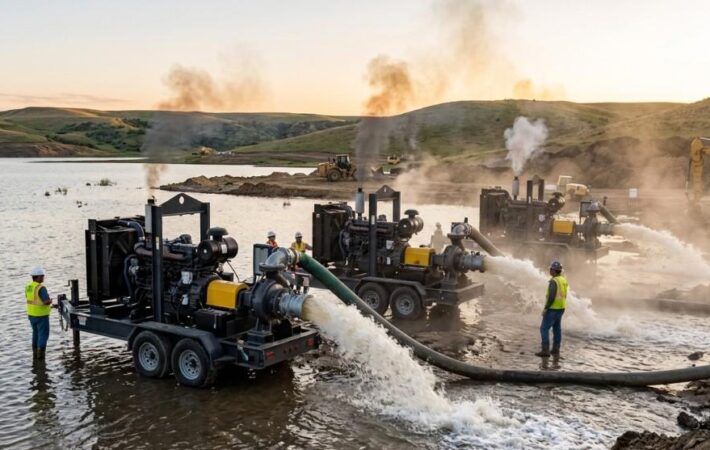
- Diesel operated pumps: Widely used for dewatering, irrigation, and industrial fluid transfer where electricity is limited. For remote sites and emergency drainage needs, durable diesel operated pumps offer dependable water transfer where electrical supply is unavailable.
- Water pumps: Ensure consistent water supply for industrial plants, agriculture, and municipal projects. Choosing reliable water pumps ensures efficient fluid transfer, pressure stability, and long-term operational reliability.
Modern power and fluid machines often incorporate smart monitoring and energy-efficient designs to reduce operational costs and enhance reliability.
Specialized Industrial Machines
Industrial sectors often require specialized machines to optimize specific operational processes.
- Vacuum pumps and exhaust blower fans:Used in chemical processing, HVAC systems, and packaging lines to control air flow and remove gases, improving workplace safety and process efficiency.
- Induction motors and engines: Power conveyor systems, compressors, and heavy-duty production lines where continuous operation and torque stability are essential.
Using specialized industrial machines ensures process consistency, improves product quality, and supports compliance with industry standards. Sourcing equipment from a trusted industrial hardware supplier in Dubai ensures access to certified machines, genuine spare parts, and products suited for demanding industrial environments.
Key Considerations When Choosing Industrial Machines
Application Suitability
When investing in industrial machinery, the first factor to consider is application suitability. Ensure the machine matches your production or operational needs to achieve optimal efficiency and accuracy.
Capacity and Power Requirements
Align the machine’s output with your production scale to prevent underperformance or unnecessary energy consumption. Choosing the right capacity ensures smooth operations and reduces operational costs.
Maintenance and Support
Maintenance and support are crucial for long-term reliability. Check for spare part availability and ease of servicing to minimize downtime and ensure continuous operations.
Safety and Compliance
Verify that machines adhere to local and international safety standards. Proper compliance protects your workforce and ensures regulatory requirements are met.
Automation and Technology Integration
Machines equipped with IoT sensors or robotics can enhance efficiency, enable predictive maintenance, and improve overall operational control. Leveraging modern technology helps maximize productivity.
Expert Assistance
Requesting a quote from a trusted supplier or consulting with an expert ensures you select the right machine tailored to your facility’s requirements. Professional guidance reduces risk and supports better investment decisions.
Advantages of Using Industrial Machines
Investing in industrial machines delivers multiple benefits for any business. Modern equipment increases production speed and efficiency, reduces labor costs through automation, and improves consistency, precision, and overall product quality. These machines also enhance workplace safety and ensure compliance with industry standards.
High-quality industrial machines provide predictable operational costs thanks to energy-efficient designs and reliable performance. They support business scalability, improve operational reliability, and contribute to long-term profitability, making them a strategic investment for sustainable growth.
AI Overview
This blog explores industrial machines, their types, uses, and benefits, including welding machines, air compressors, generators, and pumps, helping businesses optimize productivity and efficiency.
FAQs
What are the main types of industrial machines?
Industrial machines include manufacturing, construction, power, material handling, and specialized machines used across industries. These machines improve productivity, precision, and operational efficiency in many sectors.
How do I select the right industrial machine for my facility?
Choose a machine based on your production requirements, capacity, and operational environment to ensure efficiency and reliability.
Are modern industrial machines energy-efficient?
Many machines now feature energy-saving technologies and IoT monitoring, reducing consumption. Energy-efficient designs lower operational costs while maintaining high productivity.
Can industrial machines be automated?
Yes, many manufacturing, packaging, and material handling machines support automation.
Automation increases output, consistency, and reduces labor dependency.
Conclusion
Investing in the right industrial machines is crucial for improving productivity, efficiency, and safety across manufacturing, construction, and industrial operations. Understanding machine types, applications, and key considerations ensures you make informed decisions that enhance output quality and long-term reliability.
For businesses in the UAE seeking reliable industrial machines and equipment solutions, Al Yaqeen Hardware is your trusted partner for high-performance tools, pumps, and machinery that support growth and operational excellence.
Contact our machinery consultants today to discuss your requirements and find the perfect machinery solutions for your operations.
Leave a comment
Your email address will not be published. Required fields are marked *